Fender benders are minor car accidents that can happen to anyone. These small collisions often occur in parking lots or during slow-speed traffic. While they may seem harmless, fender benders can still cause damage and lead to insurance claims. Fender Bender Insurance is important to know how to handle these situations and understand their impact on car insurance.

Insurance rates may increase after a fender bender, even if the damage is minor. This is because insurance companies view accidents as indicators of future risk. As a result, drivers should carefully consider whether to file a claim for small accidents. In some cases, paying for repairs out-of-pocket might be more cost-effective than risking a premium increase.
After a fender bender, it’s crucial to document the incident and exchange information with the other driver. Taking photos of the damage and getting witness statements can be helpful if a claim needs to be filed. Additionally, drivers should check their insurance policies to understand their coverage and deductibles for minor accidents.
Key Takeaways
- Minor accidents can impact insurance rates and should be carefully evaluated before filing a claim
- Documenting the incident and exchanging information is essential after a fender bender
- Understanding your insurance policy and coverage is key to making informed decisions after an accident
Understanding Fender Benders and Insurance Basics
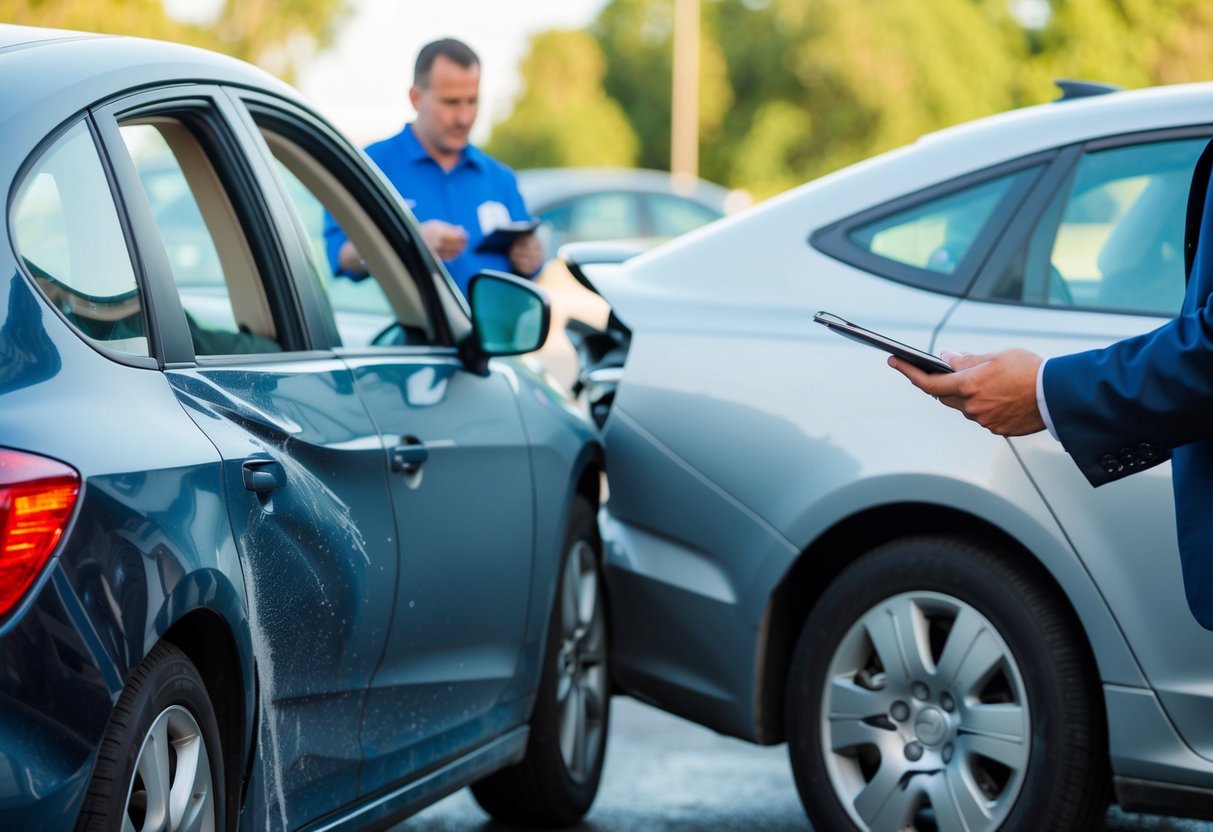
Fender benders are common minor accidents that can impact your car insurance. Knowing the types of coverage and what qualifies as a fender bender is crucial for dealing with these incidents.
Types of Car Insurance
Car insurance comes in several forms to protect drivers. Liability insurance is the most basic type, covering damage you cause to others. This coverage is required in 49 states.
Collision coverage pays for repairs to your car after an accident. Comprehensive insurance protects against non-collision damage like theft or weather events.
Personal injury protection (PIP) covers medical costs for you and your passengers. This type of insurance is especially helpful in fender benders where injuries may occur.
Some states require uninsured motorist coverage. This protects you if the other driver lacks insurance.
What Is Considered a Fender Bender Insurance?
A fender bender is a minor collision between vehicles. These accidents typically happen at low speeds and often result in small dents, scratches, or broken lights.
Fender benders usually don’t cause major structural damage to cars. However, they can still be costly to repair. Modern cars have sensors and cameras that can be expensive to fix.
The Insurance Institute for Highway Safety notes that even minor accidents can damage safety features. This means repair costs for fender benders can be high.
Despite their minor nature, fender benders should be reported to insurance companies. This helps protect you if the other driver claims injuries later.
Steps to Take Immediately After a Fender Bender Insurance

A fender bender can be stressful, but taking the right actions can make the process smoother. It’s important to stay calm and follow these key steps to protect yourself and gather necessary information.
Check for Injuries (Fender Bender Insurance)
First and foremost, assess yourself and others for any injuries. Even in minor accidents, it’s crucial to prioritize safety. If anyone is hurt, call 911 immediately for medical help. Remember that some injuries may not be apparent right away due to adrenaline.
If everyone seems okay, move your vehicles to a safe area if possible. This will help prevent further accidents and keep you out of harm’s way. Turn on your hazard lights to alert other drivers. Once you’re safe, take a deep breath to calm yourself before proceeding with the next steps.
Exchange Information (Fender Bender Insurance)
After ensuring safety, exchange information with the other driver. This is a critical step for insurance purposes. Get the following details:
- Full name and contact information
- Insurance company and policy number
- Driver’s license number
- License plate number
- Make, model, and year of the vehicle
It’s also wise to note the location of the accident and the time it occurred. Be polite but avoid discussing fault or apologizing, as this could be used against you later. If there are witnesses, try to get their contact information as well.
Document the Incident
Proper documentation is key for insurance claims. Take clear photos of all vehicle damage, including close-ups and wide shots. Capture images of the accident scene, road conditions, and any relevant traffic signs or signals.
Write down your recollection of the event while it’s fresh in your mind. Include details like weather conditions and what happened before, during, and after the collision. If police respond, get the officer’s name and badge number, and ask for a copy of the police report.
Lastly, contact your insurance company to report the accident as soon as possible. They can guide you through the next steps and start the claims process if needed. Remember, even minor accidents should be reported to protect your interests.
Reporting a Fender Bender to Insurance Companies
Reporting a minor car accident to your insurance company involves key steps and considerations. The timing of your report and the role of police documentation can affect your claim.
When to Call Your Insurance Provider
It’s wise to inform your insurance company about a fender bender soon after it happens. Many policies require prompt reporting of accidents. Even if you think the damage is minor, hidden issues may appear later.
Calling your insurance representative quickly helps protect your interests. They can guide you through the next steps and explain your coverage options.
Some drivers avoid reporting small accidents to prevent rate increases. This approach can backfire if the other party files a claim later. Your insurer might question why you didn’t report it right away.
The Role of Police Reports in Insurance Claims
Police reports play an important part in the insurance claim process. If the accident is serious, it’s crucial to call 911 for immediate help. For minor fender benders, you may not need police involvement.
However, a police report can provide an official account of what happened. This document often helps insurance companies determine fault and process claims more smoothly.
If you decide not to call the police, be sure to exchange contact and insurance information with the other driver. Take photos of the damage and write down your own account of the incident while it’s fresh in your mind.
The Claims Process Explained
After a fender bender, dealing with insurance can be tricky. The claims process involves several steps, from filing the initial report to getting your car fixed. Understanding how it works can help you navigate the system more smoothly.
Filing the Claim
Contacting your insurance provider is the first step in the claims process. It’s best to do this within 24 hours of the accident. You’ll need to give details about what happened and any damage to your car.
The insurance company will then open a claim file and assign a claim number to track your case. This number is important for future communications about your claim.
Next, you’ll need to provide supporting documents. These may include photos of the damage, a police report, and your personal statement. Some insurers now offer mobile apps to streamline this process.
Insurance Adjuster’s Assessment
Once your claim is filed, an insurance adjuster will review it. Their job is to figure out how much the insurance company should pay for repairs.
The adjuster might inspect your car in person or ask for photos. They’ll also look at repair estimates from body shops. Based on this information, they’ll determine the cost of fixing your car.
Sometimes, the adjuster might decide your car is a total loss. This happens if repair costs are close to or more than the car’s value. In this case, they’ll offer a settlement based on your car’s market value.
Dispute Resolution
Disagreements can arise during the claims process. You might not agree with the adjuster’s assessment or the repair estimate. In such cases, there are ways to resolve disputes.
First, try talking directly with your adjuster. Explain your concerns and provide any extra information that supports your case. If that doesn’t work, you can ask to speak with a supervisor.
Some insurance companies offer a formal appeals process. This allows you to challenge decisions you disagree with. In more serious cases, you might need to hire an independent appraiser or seek legal advice.
Remember, good communication is key. Keep records of all conversations and emails with your insurance company. This can help if you need to escalate your dispute later on.
Financial Aspects of Fender Benders
Fender benders can have unexpected financial consequences. They often lead to repair costs, insurance changes, and out-of-pocket expenses.
How Deductibles Affect Costs
Your car insurance deductible plays a big role in fender bender costs. A higher deductible means you pay more upfront for repairs. For example, if you have a $1,000 deductible, you’ll need to cover that amount before insurance kicks in.
Lower deductibles result in smaller out-of-pocket costs after an accident. However, they usually come with higher monthly premiums. It’s important to choose a deductible that fits your budget and risk tolerance.
Some drivers opt for a higher deductible to save on premiums. This strategy can backfire if you don’t have enough savings to cover repair costs after a fender bender.
Dealing with Repair Costs
Repair costs for fender benders can vary widely. Minor scrapes might only need a quick buff and paint touch-up. More serious damage could require replacing entire body panels.
Insurance claims for minor accidents average around $3,000. This amount can climb higher for luxury vehicles or if there’s hidden damage.
Some drivers choose to pay for repairs out-of-pocket to avoid insurance claims. This approach can make sense for very minor damage and helps prevent insurance rate increases.
Getting multiple repair estimates is wise, as prices can differ between shops. Always ask about warranties on repairs to protect your investment.
Impact on Insurance Rates
Fender benders often lead to insurance rate hikes, which can last for several years. Even minor accidents can cause significant premium jumps.
After a single at-fault accident, drivers may see an average 49% increase in their insurance rates. This jump can add hundreds of dollars to annual premiums.
Not all fender benders affect rates equally, though. Factors like fault, driving history, and claim amount all play a role. Some insurers offer accident forgiveness for first-time incidents, and rate increases may be smaller or nonexistent if you’re not at fault. For instance, if your parked car is hit, your rates should not go up. It’s crucial to document the accident carefully to prove you weren’t responsible.
Legal Implications of Minor Car Accidents
Minor car accidents, often called fender benders, can have unexpected legal consequences. Even small crashes may lead to legal issues if not handled correctly. The at-fault driver could face liability for damages and injuries.
It’s important to document the accident scene. Take photos of both vehicles and get contact info from witnesses. This evidence can be crucial if legal action happens later.
Filing a police report is recommended, even for minor accidents. While not always required by law, a police report provides an official record of what happened. This can be valuable if there’s a dispute about fault or if injuries appear later.
Insurance companies play a key role in fender benders. They often determine fault for the accident based on evidence and statements. This decision can impact insurance rates and potential lawsuits.
In some cases, drivers might consider settling without involving insurance. However, this approach carries risks. Written agreements are essential to protect both parties legally.
Injuries from minor accidents may not be obvious right away. Consequently, it’s wise to see a doctor after any collision. Medical records can be important if legal action becomes necessary later on.
Understanding the legal implications of minor accidents helps drivers protect themselves. It’s always best to err on the side of caution and follow proper procedures, even for seemingly small incidents.
Managing Vehicle Repairs and Expenses
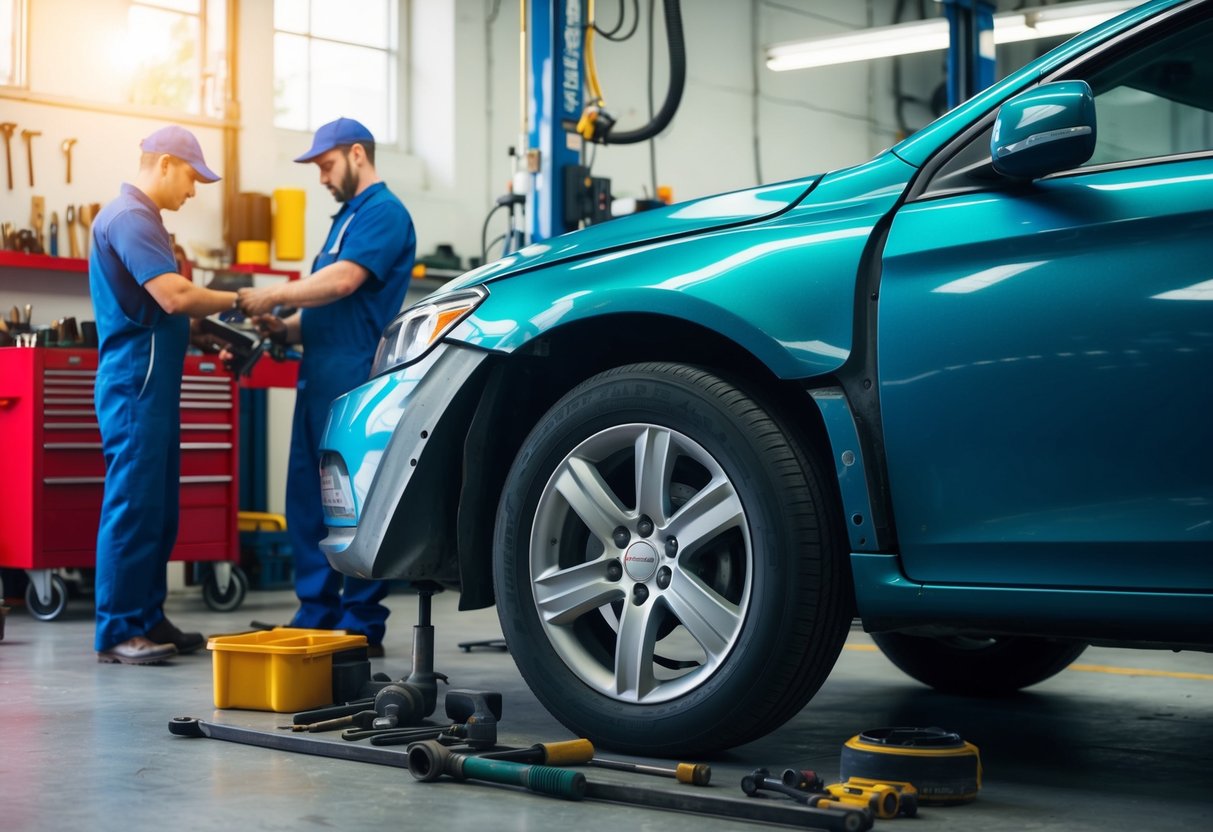
After a fender bender, dealing with repairs and costs can be stressful. Knowing how to handle these issues can save you time and money.
Choosing a Repair Shop
When selecting a repair shop, start by checking your insurance policy. Many insurers have preferred repair shops that may offer faster service and guaranteed work. Nevertheless, you have the right to choose your own shop.
Get estimates from multiple repair shops. This helps ensure fair pricing and quality work. Ask about warranties on repairs and parts. A reputable shop will stand behind their work.
Consider the shop’s certifications and experience with your vehicle make and model. Look for reviews and ask for recommendations from friends or family. A well-established shop with positive feedback is often a safe choice.
Rental Car Considerations
While your car is being repaired, you might need a rental. Check your insurance policy to see if it includes rental car coverage. If so, understand the daily and total limits.
Some repair shops offer loaner cars, which can be more convenient than a rental agency. Ask about this option when choosing a shop.
If you need to rent a car, compare prices from different agencies. Many offer discounts for insurance claims. Choose a car similar in size to your own to avoid extra expenses.
Remember to inspect the rental car before driving off. Note any existing damage to avoid being charged for it later. Return the car with a full tank of gas to sidestep hefty refueling fees.
Navigating Insurance Premium Increases
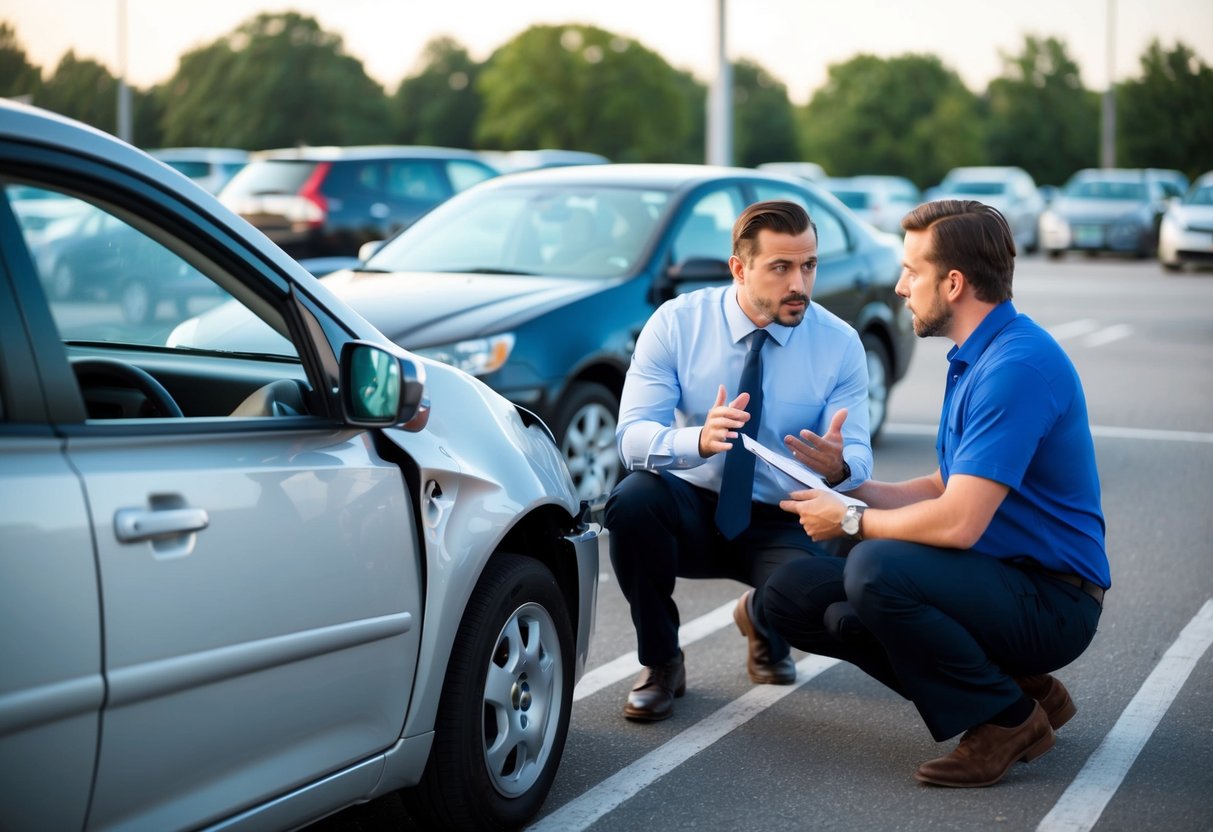
Car insurance rates often go up after a fender bender. The amount depends on several factors. Let’s look at what affects rate changes and how to keep premiums low.
Factors Influencing Rate Changes
Insurance companies look at many things when setting new rates after an accident. The driver’s past record is key. A clean history before the fender bender may lead to a smaller increase. On the other hand, previous accidents or tickets can mean bigger hikes.
The cost of the claim also matters. Minor fender benders can raise rates by the same amount as costlier accidents. This is true even if damage is only $200 or $2000. The type of claim affects increases too. Bodily injury claims often lead to higher jumps than property damage.
Where you live plays a role as well. Different states have different rules about rate increases. Some limit how much insurers can raise prices after accidents.
Preventing Premium Hikes
There are ways to keep insurance costs down even after a fender bender. First, think carefully before filing a claim. For very small accidents, it may be cheaper to pay out of pocket. This avoids putting the accident on your record.
Many companies offer accident forgiveness. This perk keeps rates steady after your first crash. It’s often free for long-term customers with clean records. Some insurers let you buy this protection for a small fee.
Taking a defensive driving course can help too. Many insurers give discounts for completing these classes. They show you’re working to be a safer driver. This can offset some of the rate increase from an accident.
Lastly, shop around. Different companies handle rate increases differently. Getting quotes from several insurers may help you find a better deal. Don’t forget to ask about all available discounts.
Prevention and Safety Measures

Staying safe on the road and avoiding fender benders requires proactive steps. These measures can help protect you, your passengers, and your vehicle from accidents.
Avoiding Distracted Driving
Distracted driving is a major cause of fender benders. To reduce this risk, put away your phone while driving. Many states have laws against using handheld devices behind the wheel. The Insurance Institute for Highway Safety reports that texting while driving increases crash risk significantly.
Use hands-free options for calls if needed. Additionally, avoid eating, applying makeup, or adjusting the radio while driving. These actions take your eyes off the road.
Set your GPS before starting your trip. If you need to make changes, pull over to a safe spot. Furthermore, teach young drivers about the dangers of distraction. Set a good example by staying focused on the road yourself.
Utilizing Roadside Assistance
Roadside assistance can prevent minor issues from turning into accidents. Many insurance companies offer this service as an add-on to policies. It can help with flat tires, dead batteries, or running out of fuel.
If your car breaks down, roadside assistance can tow your vehicle to a safe location. This reduces the risk of being hit while stranded on the roadside. Some services also provide jump-starts or locksmith services.
Keep your roadside assistance number easily accessible. Store it in your phone and write it down in your glove compartment. Knowing you have help available can give you peace of mind on long trips or in unfamiliar areas.
Frequently Asked Questions
Fender benders can be confusing. Many people have questions about what to do after a minor accident. Here are some common questions and answers about fender benders and insurance.
What steps should I take after a minor fender bender with no apparent damage?
Even if there’s no visible damage, it’s important to document the incident. First, exchange contact and insurance information with the other driver. Then, take photos of both vehicles and the accident scene. It’s also wise to file a police report, as some damage may not be immediately obvious.
How can I determine if I should report a fender bender to my insurance company?
The decision to report depends on several factors. Consider the extent of damage and potential injuries. If the repair costs are likely to be less than your deductible, you might choose not to file a claim. However, reporting the incident protects you if the other party files a claim later.
In the event of a parking lot fender bender without a police report, how should I proceed with my insurance claim?
Without a police report, gather as much evidence as possible. Take photos of the damage and get contact information from witnesses. Write down your account of what happened. Then, contact your insurance company to report the incident and provide all the information you’ve collected.
Does experiencing a fender bender typically increase my insurance premiums?
Insurance rates often increase after a fender bender, especially if you’re at fault. The amount can vary widely based on the circumstances. Some insurers offer accident forgiveness for first-time incidents, which may help prevent a rate increase.
How should I handle a fender bender if I am not at fault?
If you’re not at fault, gather evidence to support your case. Get the other driver’s information and take photos. File a police report if possible. Contact your insurance company to report the incident. They can help you file a claim with the at-fault driver’s insurance.
What are the implications of a fender bender on my insurance coverage if there is no damage?
Even without visible damage, it’s smart to inform your insurance company. This creates a record of the incident. If no claim is filed, your rates may not increase. However, the other driver might discover damage later and file a claim, so having a record protects you.
Written for the country. You are in Alabama.
General legal articles cannot tell you how a rule actually works in Limestone, Madison, Morgan, Lauderdale, Colbert, Franklin or Lawrence County. We are in Athens at 300 West Green Street Tell us what happened and we will tell you whether it is something we handle.
Questions about an injury claim? Email injury@dsp.law or call 256-434-1678.
Daniel S. Pickens Law · 300 West Green Street, Athens, Alabama 35611