
Car accidents can happen to anyone, anytime. Even minor fender benders can be stressful and confusing. Knowing what to do after a minor car accident is crucial for your safety and protection. A minor car accident typically involves no injuries and only small damage to the vehicles, like a low-speed rear-end collision that results in a dented bumper.

Staying calm is key when dealing with a minor accident. First, check if everyone is okay. Then, move your car to a safe spot if possible. Always turn on your hazard lights to alert other drivers. It’s important to document the accident properly, even if it seems minor. Take photos of the damage and exchange information with the other driver.
Remember, even small accidents can lead to unexpected issues later. That’s why it’s smart to report the incident to your insurance company. They can guide you through the next steps and help protect your interests. By following the right steps, you can handle a minor car accident smoothly and avoid potential problems down the road.
Key Takeaways
- Minor accidents require calm and careful handling for safety and legal protection.
- Proper documentation of the incident is essential, even for small collisions.
- Reporting to insurance helps manage potential future issues from the accident.
Understanding Minor Car Accidents
Minor car accidents happen often. They can be stressful, but knowing what to expect helps drivers handle them better. Let’s look at what counts as a minor accident, why they occur, and what risks they may pose.
Defining a Minor Car Accident
A minor car accident usually involves low-speed collisions with little damage. These are often called fender benders. They typically happen in parking lots or slow-moving traffic.
In these cases, cars might have small dents or scratches. The people inside usually don’t get hurt. However, even small crashes can sometimes cause hidden damage to cars or slight injuries to people.
Insurance companies often treat these accidents differently from major ones. They may have special rules for claims on minor accidents. It’s important to know these rules to handle the situation correctly.
Common Causes of Fender Benders
Fender benders have several common causes. Distracted driving is a big one. This includes texting, eating, or adjusting the radio while driving.
Another frequent cause is following too closely. When drivers don’t leave enough space, they can’t stop in time if the car ahead slows down suddenly.
Parking lot accidents are also common. They happen when drivers don’t check their surroundings carefully. Bad weather can play a role too. Slippery roads from rain or snow make it harder to control a car.
Fatigue is another factor. Tired drivers may not react quickly enough to avoid a minor crash. Even at low speeds, these lapses can lead to accidents.
Potential Risks and Complications
Even minor car accidents can have hidden risks. Sometimes, what seems like a small bump can cause unseen car damage. This might include problems with the frame or electrical systems.
For people, whiplash is a common issue. It can happen even in low-speed crashes. Symptoms might not show up right away, but can cause pain later.
Legal issues can also arise. If fault isn’t clear, it might lead to disputes. This can affect insurance claims and rates. In some cases, minor accidents can even result in lawsuits.
It’s wise to document everything after any accident. Take photos and get contact info from others involved. This helps if problems come up later. Even small crashes can have lasting effects, so it’s best to be prepared.
Initial Steps Post-Accident
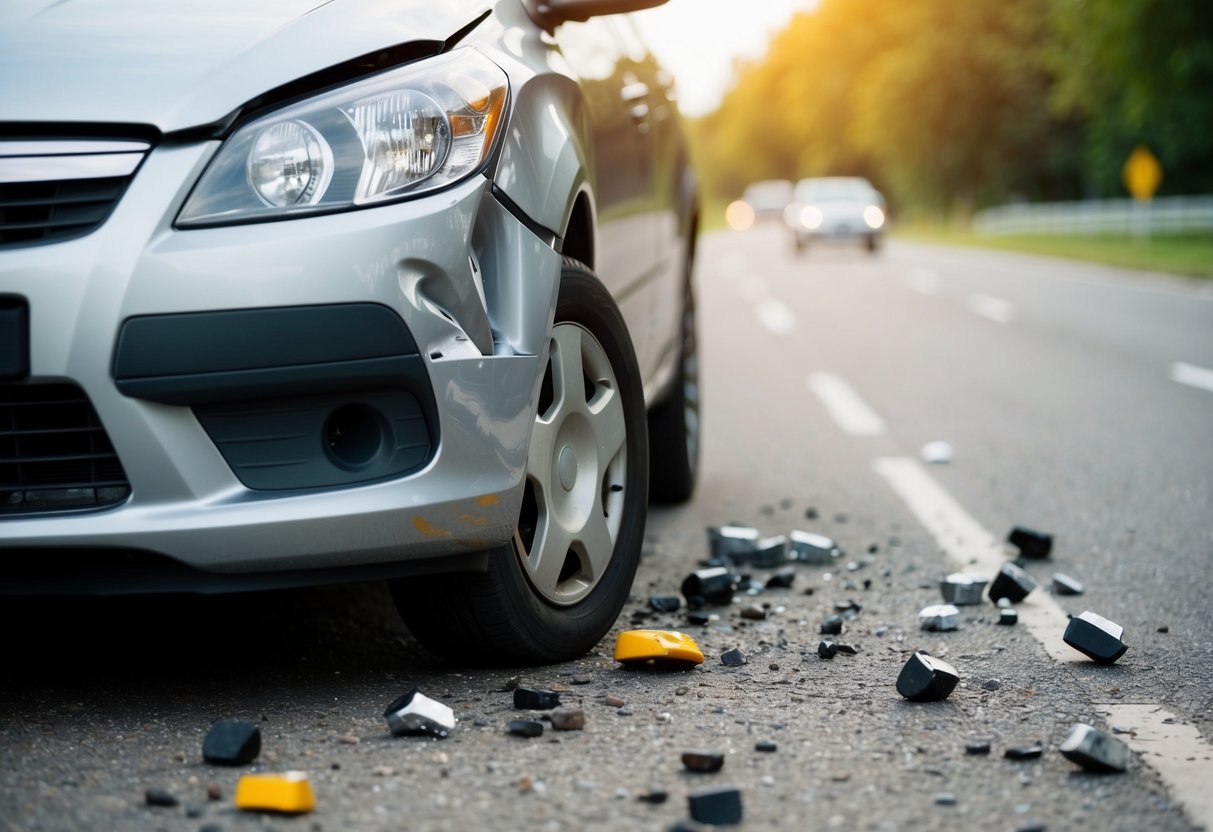
After a minor car accident, taking prompt and proper action is crucial. The first moments following a collision can be confusing, but focusing on safety, health, and getting help are key priorities.
Safety First: Assessing the Scene
When a minor accident occurs, the first step is to ensure everyone’s safety. Turn on your hazard lights to alert other drivers. If possible, move your vehicle to the side of the road or a safe area away from traffic. This reduces the risk of further collisions.
Next, take a deep breath and stay calm. Look around to check for any immediate dangers like fire, smoke, or leaking fluids. If it’s safe to exit your vehicle, do so carefully. Be aware of your surroundings, especially if you’re on a busy road.
Set up emergency triangles or flares if you have them. These warn other drivers and can prevent additional accidents. Remember, your safety and the safety of others are the top priorities in these moments.
Check for Injuries
Once the scene is secure, it’s time to assess yourself and others for injuries. Even in minor accidents, injuries can occur. Start by checking yourself for any pain, cuts, or bruises. Move slowly and carefully to avoid aggravating potential injuries.
After ensuring your own well-being, check on your passengers if you have any. Ask if they’re okay and look for any visible signs of injury. Then, if it’s safe, check on the occupants of the other vehicle involved in the accident.
Common injuries in minor accidents include whiplash, bruises, and cuts. Some injuries may not be immediately apparent due to shock or adrenaline. It’s important to stay vigilant and report any pain or discomfort, even if it seems minor at first.
Contacting Emergency Services
Even in minor accidents, it’s often necessary to contact emergency services. Call 911 if there are any injuries, no matter how slight they may seem. Trained medical professionals can properly assess and treat injuries on-site.
The police should also be notified, even for minor collisions. They can create an official accident report, which may be crucial for insurance claims later. When speaking with the 911 operator, provide clear information about your location and the nature of the accident.
While waiting for emergency services to arrive, stay at the scene. Use this time to exchange information with the other driver if it’s safe to do so. Collect names, contact details, and insurance information. This will be helpful for future communications and claim processes.
Documentation Process
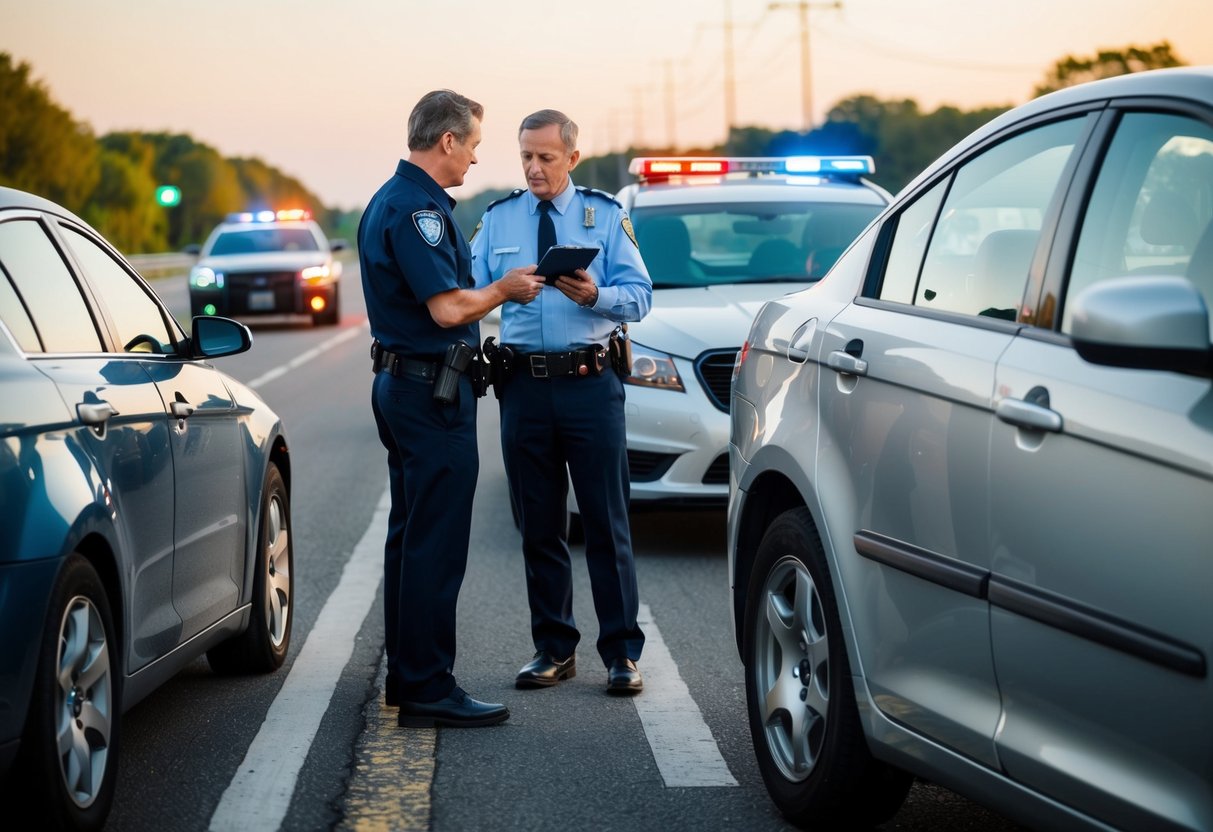
After a minor car accident, proper documentation is key. Gathering the right information helps with insurance claims and protects your interests. Here’s what you need to do:
Gathering Vehicle Information
Start by exchanging details with the other driver. Write down their name, address, phone number, and insurance information. Next, note the make, model, year, and license plate number of all vehicles involved. Additionally, jot down the driver’s license numbers of everyone in the accident. This information is crucial for insurance companies and police reports. Don’t forget to record the exact time, date, and location of the accident. If possible, use your phone to store this data securely.
Taking Pictures of the Scene
Taking pictures is vital for documenting the accident. Use your smartphone to capture clear images of all vehicle damage from multiple angles. Furthermore, photograph the entire accident scene, including road conditions, traffic signs, and weather. Take shots of skid marks or debris on the road. These visual records can be invaluable when dealing with insurance claims or potential legal issues. Remember to snap pictures of your injuries, if any, as well as those of your passengers.
Witness Statements and Contact Details
Eyewitness accounts can be extremely helpful. If there are any witnesses, politely ask for their names and contact information. Then, request a brief statement about what they saw. Write down or record their observations accurately. Moreover, ask if they’d be willing to speak with insurance representatives or law enforcement if needed. Witness testimonies can clarify disputed details and strengthen your case. Be sure to thank witnesses for their time and cooperation.
Interacting With Law Enforcement
After a minor car accident, dealing with law enforcement can be crucial. Police officers play a key role in documenting the incident and ensuring everyone’s safety. Knowing how to interact with them can help protect your rights and interests.
When to Contact the Police
It’s wise to call the police after a car accident, even if it seems minor. In some places, contacting law enforcement is required by law. They can create an official record of the incident.
Police help keep the scene safe and gather important information. They can also assist if there are injuries or disputes between drivers. Moreover, having a police presence can deter false claims later on.
If the accident is blocking traffic, officers can help manage the situation. They may also check for signs of impaired driving or other violations that could have caused the crash.
Providing Accurate Statements
When speaking to police, stay calm and give clear, factual information. Stick to describing what happened without admitting fault or blaming others. Be honest, but avoid speculating about things you’re not sure about.
Share your contact and insurance details with the officer. If you’re injured, make sure to mention it. Don’t downplay any pain or discomfort you’re feeling.
Ask the officer for their name and badge number. This information can be useful if you need to follow up later. Remember, everything you say could be included in the police report.
Obtaining a Police Report
A police report is a valuable document after an accident. It contains important details about the incident, including date, time, location, and parties involved. The report may also include the officer’s observations and statements from witnesses.
To get a copy, ask the responding officer how to obtain it. You might need to visit the police station or request it online. There may be a small fee for the report.
Review the report carefully when you receive it. If you find any errors, contact the police department to request corrections. This document can be crucial for insurance claims or legal proceedings.
Insurance Reporting
Reporting a minor car accident to your insurance company is a crucial step. It protects your interests and ensures proper handling of any potential claims. Here’s what you need to know about the insurance reporting process.
Contacting Your Insurance Provider
After a minor car accident, call your insurance company as soon as possible. Many insurers have 24/7 hotlines for accident reporting. When you call, have your policy number and basic accident details ready. The agent will ask for information about the incident, including date, time, location, and other parties involved.
Be honest and stick to the facts when describing what happened. Don’t admit fault or make guesses about things you’re not sure about. The insurance representative may also ask if you’ve filed a police report. If you haven’t, they might advise you to do so, as it can be helpful for the claims process.
Understanding Your Policy Coverage
Review your insurance policy to understand what’s covered in a minor accident. Most policies include liability coverage, which pays for damage you cause to others. Collision coverage, if you have it, pays for repairs to your own car.
Your policy may have a deductible – the amount you pay out of pocket before insurance kicks in. For minor accidents, the repair costs might be less than your deductible. In this case, you might choose to pay for repairs yourself without filing a claim.
Some policies offer accident forgiveness, which prevents your rates from increasing after your first at-fault accident. Check if this applies to your situation.
Filing the Accident Claim
If you decide to file a claim, your insurance company will guide you through the process. They’ll assign a claims adjuster to your case. The adjuster will investigate the accident, assess the damage, and determine fault.
You’ll need to provide documentation, such as photos of the damage, witness statements, and the police report if one was filed. The adjuster may also ask you to get repair estimates from approved auto shops.
Be prompt in responding to requests for information. This helps speed up the claims process. Your insurance company will then decide whether to approve your claim and how much they’ll pay out. They’ll also handle communication with the other driver’s insurance if needed.
The Claim Process
Filing a claim after a minor car accident involves several key steps. Insurance companies have specific procedures to handle these situations and ensure fair compensation.
Initiating the Claim
To start the claim process, contact your insurance company right away. Many insurers now offer online claim filing options for added convenience. Provide details about the accident, including date, time, location, and other drivers involved. Be honest and accurate when describing what happened. The insurance agent will guide you through the next steps and may ask for photos of the damage or a police report if one was filed.
Claims Adjusters and Assessments
After you file a claim, an insurance adjuster will be assigned to your case. This person’s job is to investigate the accident and assess the damage. They might inspect your car in person or ask for repair estimates from approved auto shops. The adjuster will also review any medical records if injuries occurred. During this time, it’s important to keep all receipts related to the accident, such as rental car costs or medical bills.
Receiving Compensation
Once the assessment is complete, the insurance company will determine the amount of compensation. This decision is based on factors like repair costs, medical expenses, and policy limits. If you agree with the offer, you can accept the settlement. The compensation may cover vehicle repairs, medical bills, and lost wages if applicable. If you disagree with the offer, you can negotiate with the insurance company or seek legal advice. Remember, accepting a settlement usually means you can’t ask for more money later for the same accident.
Legal Considerations
After a minor car accident, certain legal matters may arise. These can involve deciding when to seek legal help, handling injury claims, and resolving insurance issues. It’s important to understand your rights and options.
When to Hire an Attorney
Getting a lawyer for a minor car crash isn’t always necessary. Nevertheless, legal help can be valuable in some situations. If fault is unclear or disputed, an attorney may be needed. Similarly, if injuries turn out to be more serious than first thought, legal advice is wise.
Insurance companies sometimes offer low settlements. In these cases, a lawyer can negotiate for fair compensation. Additionally, if the accident involved a commercial vehicle, legal complexities may require professional help.
Time limits for filing claims vary by state. An attorney can ensure all deadlines are met. Furthermore, if the other driver was uninsured or underinsured, legal guidance becomes crucial for protecting one’s rights.
Bodily Injury Claims
Bodily injury claims can arise even from minor accidents. These claims cover medical expenses, lost wages, and pain and suffering. It’s important to seek medical attention promptly after an accident, even if injuries seem minor.
Some injuries, like whiplash, may not show symptoms immediately. Therefore, thorough medical documentation is key for any future claim. Insurance companies often try to minimize payouts for bodily injury claims.
Having legal representation can help ensure fair compensation. An attorney can gather evidence, work with medical experts, and negotiate with insurers. They can also help calculate long-term costs of injuries, which victims might overlook.
Dealing With Insurance Disputes
Insurance disputes are common after car accidents, even minor ones. Insurers may deny claims or offer low settlements. Understanding one’s policy and rights is crucial in these situations.
Keeping detailed records of all communication with insurance companies is important. This includes saving emails, letters, and notes from phone calls. If a dispute arises, these records can be valuable evidence.
An attorney can help navigate complex insurance policies and procedures. They can also identify bad faith practices by insurers. In some cases, mediation or arbitration may be necessary to resolve disputes. Legal representation can be particularly helpful in these processes.
Car Repairs and Auto Shops
After a minor car accident, dealing with repairs and finding a reputable auto shop can be stressful. Proper assessment of damage, selecting the right repair facility, and understanding insurance coverage are crucial steps in getting your vehicle fixed.
Estimating Vehicle Damage
Accurate damage assessment is key after an accident. Start by taking photos of all visible damage. Then, get multiple estimates from different repair shops. Some shops offer free estimates, while others may charge a fee.
Professional body shops can often spot hidden damage that may not be visible to an untrained eye. They use specialized tools to check for frame misalignment or other structural issues.
Insurance adjusters also play a role in estimating damage. They inspect the vehicle and determine repair costs based on parts and labor. If you disagree with their assessment, you can request a second opinion.
Choosing a Repair Shop
Selecting the right auto body shop is crucial for quality repairs. Ask friends and family for recommendations. Read online reviews, but be cautious of extreme ratings.
Certified collision centers often have technicians trained in the latest repair techniques. They may also offer warranties on their work.
Get written estimates from several shops before deciding. Compare prices, but also consider factors like repair time and parts quality. Cheaper isn’t always better if it means subpar repairs.
Ask about the shop’s certifications and experience with your specific make and model. A good shop will be happy to answer questions and explain their repair process.
Understanding Collision Coverage
Collision coverage is an optional part of car insurance that pays for repairs after an accident. It typically covers damage from hitting another car or object, regardless of fault.
This coverage usually has a deductible – the amount you pay before insurance kicks in. Higher deductibles mean lower premiums, but more out-of-pocket costs if you have an accident.
Collision coverage is separate from liability insurance, which pays for damage to other people’s property. It’s also different from comprehensive coverage, which protects against non-collision events like theft or weather damage.
Check your policy or contact your insurance provider to understand your specific coverage. They can explain what’s covered, your deductible amount, and how claims affect your rates.
Health Aftermath and Medical Attention

Car accidents can have hidden health impacts. Getting checked out by a doctor and watching for delayed symptoms are key steps to protect your wellbeing after a crash.
Seeking Medical Assistance
Even minor accidents can cause injuries that aren’t obvious right away. It’s smart to get a medical evaluation soon after any crash. A doctor can spot problems you might miss.
Whiplash is a common issue in car accidents. It may not hurt at first, but can lead to neck pain later. Other injuries like concussions or internal bruising might also take time to show up.
Prompt medical care creates a record of your injuries. This can be important if you need to file an insurance claim. Furthermore, early treatment often leads to faster healing.
Personal Injury Protection Benefits
Many car insurance policies include Personal Injury Protection (PIP) coverage. This benefit helps pay for medical care after an accident.
PIP typically covers things like:
- Doctor visits
- Hospital stays
- Physical therapy
- Lost wages
It’s wise to check your policy to understand your PIP benefits. These funds can help you get needed care without worrying about the cost. Additionally, using PIP doesn’t usually raise your insurance rates.
Monitoring for Delayed Symptoms
Some accident-related health issues may not appear right away. It’s crucial to watch for new symptoms in the days and weeks after a crash.
Common delayed symptoms include:
- Headaches
- Neck or back pain
- Numbness
- Mood changes
Keep a log of any new pains or problems. Report these to your doctor promptly. Quick action on delayed symptoms can prevent them from getting worse.
Don’t ignore changes in how you feel, even if they seem minor. Some serious conditions, like internal bleeding, might have subtle signs at first. Trust your instincts and seek help if something feels off.
Preventing Future Accidents
After a minor car accident, taking steps to avoid future incidents is crucial. Focusing on safe driving habits, proper vehicle maintenance, and understanding insurance impacts can help reduce risks on the road.
Driving Tips and Safety Measures
Safe driving starts with following basic rules. Always obey traffic laws and speed limits. Keep a safe distance from other vehicles to allow time to react. Additionally, avoid distractions like using your phone while driving. It’s also important to stay alert and scan the road ahead for potential hazards.
In bad weather, adjust your driving accordingly. Slow down and increase following distance in rain or snow. Furthermore, use your headlights in low visibility conditions. When turning or changing lanes, always use your turn signals to communicate with other drivers.
New drivers should consider taking defensive driving courses. These classes teach valuable skills for avoiding accidents and handling unexpected situations on the road.
Maintaining Your Vehicle
Regular vehicle maintenance plays a key role in preventing accidents. Keep up with oil changes and tire rotations as recommended by your car’s manufacturer. Check your tire pressure monthly and replace worn tires promptly. Proper tire maintenance ensures better traction and handling.
Inspect your brakes regularly and replace brake pads when needed. Well-maintained brakes can help prevent accidents by allowing you to stop quickly in emergencies. Also, make sure all your lights work properly, including headlights, taillights, and turn signals.
Don’t ignore warning lights on your dashboard. They often indicate issues that could lead to breakdowns or accidents if left unaddressed. Schedule regular check-ups with a trusted mechanic to catch potential problems early.
Understanding Insurance Rate Impacts
Minor accidents can affect your insurance rates. Some insurers offer accident forgiveness for first-time incidents, but repeated claims may lead to higher premiums. To keep rates low, maintain a clean driving record and avoid filing claims for very minor damage.
Some insurance companies offer discounts for safe driving habits. Consider installing a telematics device that tracks your driving behavior. Safe drivers may qualify for lower rates based on their actual driving performance.
Taking defensive driving courses can sometimes lead to insurance discounts. These classes not only improve your skills but may also show insurers you’re committed to safe driving. Ask your insurance agent about available discounts for completing such courses.
Conclusion
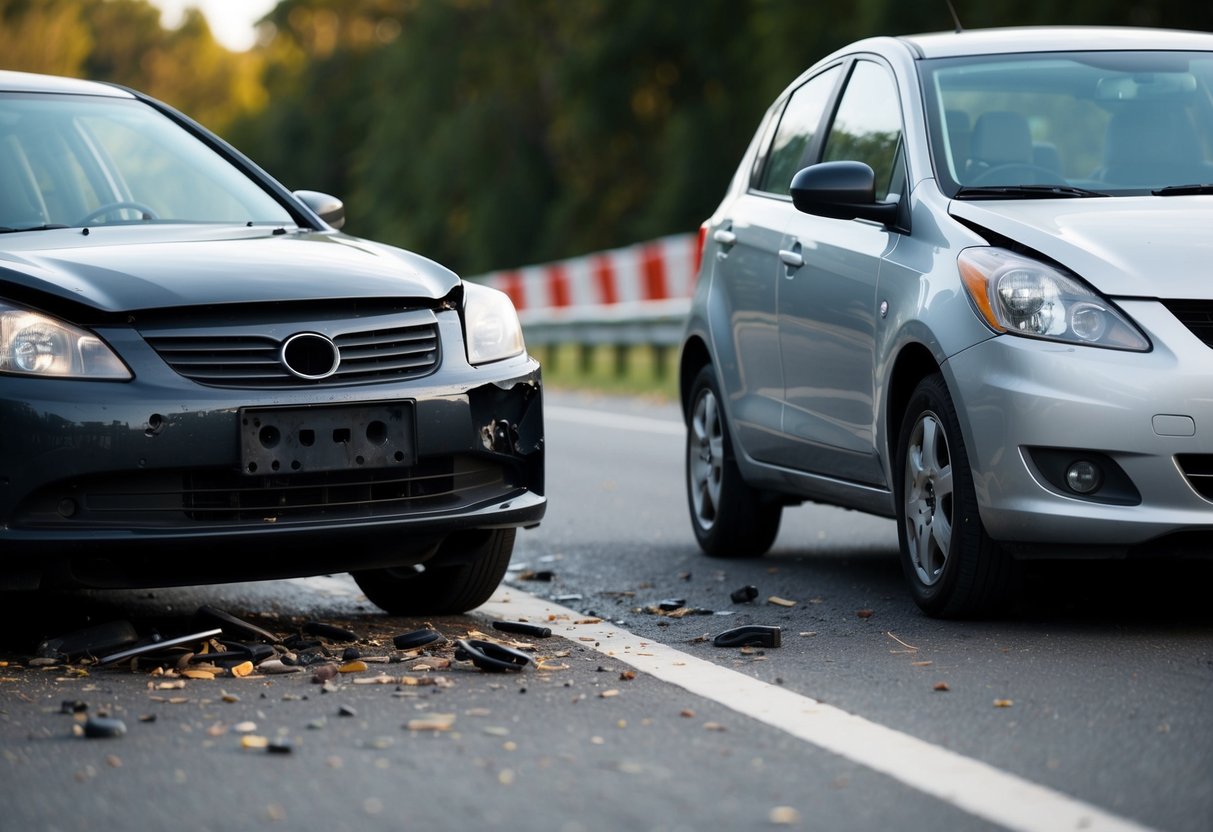
After a minor car accident, staying calm is key. Take a deep breath and assess the situation. Next, move to a safe spot if possible to avoid further danger.
Exchange contact and insurance information with the other driver. This step is crucial for any follow-up actions. Additionally, document the scene by taking photos of the damage and surroundings.
Even if injuries seem minor, it’s wise to get checked by a medical professional. Some issues may not be immediately apparent. Furthermore, report the accident to your insurance company promptly.
Remember to get a repair estimate for your vehicle. This will help determine the extent of damage and potential costs.
Lastly, learn from the experience. Consider defensive driving techniques to reduce the risk of future accidents. By following these steps, you’ll be better prepared to handle minor car accidents calmly and effectively.
Frequently Asked Questions
Car accidents, even minor ones, can raise many questions. Knowing what to do and what to expect can help you handle the situation better.
Do I need to report a minor car accident to my insurance company?
Yes, it’s important to report all accidents to your insurance company, even minor ones. This helps protect you if problems come up later. Not reporting could lead to issues if the other driver files a claim or if hidden damage is found.
What steps should I take immediately after being involved in a minor car accident with no apparent damage?
First, check if anyone is hurt. Then, move to a safe spot if possible. Next, exchange information with the other driver. This includes names, contact details, and insurance information. It’s also a good idea to take photos of both cars and the accident scene.
What are the potential consequences of not filing a police report after a minor car accident?
Not filing a police report can cause problems later. It may be harder to prove what happened without an official record. Some insurance companies might not cover the accident without a police report. Additionally, some injuries or damage might not be obvious right away.
How should I proceed after being involved in a minor car accident that was not my fault?
Even if you’re not at fault, take the same steps as any accident. Gather information and document the scene. Contact your insurance company to report the accident. They can help guide you through the next steps and deal with the other driver’s insurance.
What are typical settlement amounts for minor car accidents?
Settlement amounts vary widely. They depend on factors like injuries, car damage, and lost wages. Minor accidents with no injuries might only cover car repairs. If there are injuries, settlements could be higher. Each case is different, so there’s no typical amount.
Are there legal risks of being sued for a minor collision such as a fender bender?
Yes, there are legal risks even in minor accidents. The other driver could sue for damages or injuries that weren’t obvious at first. That’s why it’s crucial to document everything and report the accident to your insurance. Your insurance company can help protect you if a lawsuit happens.
This article is general. Alabama is not.
Alabama is one of the last pure contributory negligence states — if you are found even one percent at fault, your recovery can be barred entirely. Most injury claims must be brought within two years under § 6-2-38(l). Before you rely on anything you read online, talk to someone who practices here.
Questions about an injury claim? Email injury@dsp.law or call 256-434-1678.
Daniel S. Pickens Law · 300 West Green Street, Athens, Alabama 35611