Probate is a legal process that verifies a will’s validity and oversees the distribution of a deceased person’s assets. It can seem complex, but understanding the basic steps can help ease the process. The Procedure for Probate of Will typically involves four main steps: validating the will, appointing an executor, identifying assets and paying debts, and distributing remaining assets to beneficiaries.

The executor plays a crucial role in guiding the estate through probate. They must gather the deceased’s property, open a bank account for the estate, and handle various financial and legal matters. This can take time, depending on the estate’s complexity and any potential challenges to the will.
While probate ensures proper asset distribution, it can be time-consuming and costly. Some estates may qualify for simplified procedures, while others might benefit from probate alternatives. Understanding these options can help families navigate this process more efficiently during a difficult time.
Key Takeaways
- Probate validates wills and oversees asset distribution after death
- Executors manage the deceased’s property and handle financial obligations
- The process duration varies based on estate complexity and potential will contests
Understanding Probate
Probate is a key part of dealing with a person’s estate after they die. It involves legal steps to handle their money and things. A will plays a big role in this process.
Probate Explained
Probate is the legal process for checking a dead person’s assets and deciding who gets them. It starts when someone asks the court to be named as the estate’s manager. This person then finds all the assets and opens a bank account for the estate.
Next, they pay off any debts and taxes. After that, they give out what’s left to the heirs. The court watches over all of this to make sure it’s done right.
Probate can take a long time, often many months. It can also cost a lot in legal fees. That’s why some people try to avoid it through estate planning.
Importance of a Will
A will is a key document in probate. It tells the court who should get the person’s things after they die. Without a will, the state’s laws decide who inherits.
Having a valid will can make probate faster and easier. It names an executor to handle the estate. This person carries out the dead person’s wishes.
A good will can also help avoid fights among family members. It clearly states who gets what. This can save time and money in probate court.
Roles and Responsibilities
The probate process involves key individuals with specific duties. These roles are crucial for managing the deceased’s estate and carrying out their final wishes.
Executor Duties
An executor plays a vital role in the probate process. They must file the will with the probate court to start legal proceedings. After that, the executor gathers and protects the deceased’s assets.
They also need to pay any outstanding debts and taxes. This includes keeping an eye out for mortgages and utility bills that still need payment.
The executor must create a detailed list of the estate’s assets for the court. Finally, they distribute the remaining assets to beneficiaries as outlined in the will.
Selecting a Personal Representative
If there’s no will, the court appoints an administrator, also known as a personal representative. This person has similar duties to an executor.
The court often chooses a close family member for this role. They look for someone trustworthy and capable of handling financial matters.
The personal representative must act as a fiduciary. This means they have a legal duty to manage the estate in the best interests of the beneficiaries. They cannot use their position for personal gain.
Initiating the Probate Process
The probate process begins with important legal steps. These steps involve filing documents with the court and addressing situations where no will exists.
Filing with Probate Court
To start probate, you need to file a petition with the probate court. This petition asks the court to appoint an executor or administrator. You must also submit the original will and a death certificate.
The court will review these documents. After that, they’ll schedule a hearing. At this hearing, the judge will officially appoint the executor.
Once appointed, the executor receives “letters testamentary.” These letters give them legal authority to manage the estate.
Dealing with No Will (Intestacy)
When someone dies without a will, they are said to be “intestate.” In this case, the court appoints an administrator instead of an executor.
The administrator applies for “letters of administration.” These letters grant similar powers to letters testamentary.
State laws determine who inherits in intestate cases. Usually, close family members are first in line. The court follows these laws to distribute assets.
The administrator must locate heirs and notify them of the probate process. They also need to gather and value the deceased’s assets.
Identifying the Assets
Locating and valuing a deceased person’s assets is a crucial step in the probate process. This involves gathering all property and financial accounts owned by the estate and determining their worth.
Asset Collection
The executor must create an inventory of all assets belonging to the deceased. This includes bank accounts, investments, real estate, vehicles, and personal belongings.
First, the executor should collect important documents like bank statements, tax returns, and property deeds. These papers help identify assets and their values.
Next, they should contact financial institutions to uncover any hidden accounts or investments. The executor may also need to search the deceased’s home for valuable items or important paperwork.
It’s important to keep detailed records of all assets found. This information will be used to pay debts, taxes, and distribute inheritances to heirs.
Managing Real Property
Real estate often makes up a significant portion of an estate’s value. The executor must handle these properties carefully during probate.
They should secure all real property by changing locks and maintaining insurance coverage. Regular upkeep is necessary to preserve the property’s value.
The executor may need to obtain professional appraisals for real estate. This ensures accurate valuation for estate tax purposes and fair distribution among heirs.
If the property is rented, the executor must manage tenant relationships and collect rent. They may also need to decide whether to sell the property or transfer it to beneficiaries. (Procedure for Probate of Will)
Managing Debts and Claims

Dealing with debts and claims is a crucial part of the probate process. The executor must notify creditors and pay valid debts from the estate’s assets before distributing inheritances.
Handling Creditor Notifications
The executor has a duty to inform known creditors about the death and ongoing probate. They must also publish a notice in local newspapers to alert unknown creditors. This public notice gives creditors a set time to submit their claims against the estate.
Executors should keep detailed records of all notifications sent. They need to document when and how they contacted each creditor. Furthermore, they must save copies of the published notices.
The notification period typically lasts a few months. During this time, creditors can file their claims with the probate court or executor. After the deadline, most creditors lose their right to collect from the estate. (Procedure for Probate of Will)
Paying Valid Debts
Once creditors submit claims, the executor must review and validate each one. They may need to consult with lawyers or financial advisors to check if claims are legitimate. The executor can dispute any claims they believe are invalid or inaccurate.
Next, the executor must prioritize the debts. Some types of debts, like taxes and funeral expenses, usually take precedence. The executor then pays valid debts using the estate’s assets.
If the estate doesn’t have enough money to pay all debts, the executor must follow state laws on which debts to pay first. In some cases, they may need to sell estate assets to cover outstanding debts.
It’s important to pay all valid debts before distributing inheritances. This protects the executor and beneficiaries from potential legal issues later on. (Procedure for Probate of Will)
Tax Considerations
Taxes play a key role in the probate process. The estate may owe various taxes, and proper filing is crucial.
Estate Tax Responsibilities
The executor must determine if estate taxes apply. These taxes are based on the total value of the deceased’s assets. Not all estates owe federal estate tax. As of 2026, only estates worth over $15 million face this tax.
Some states also have their own estate taxes. The executor should check local laws. If taxes are due, the executor must file an estate tax return. This form is typically due within 9 months of the death.
The executor uses estate funds to pay any owed taxes. They must do this before distributing assets to heirs.
Filing Final Tax Returns
The executor must file the deceased’s final income tax return. This return covers income earned from January 1st until the date of death. It’s due by April 15th of the year following the death.
In addition, the estate itself may need to file tax returns. If the estate earns over $600 in a year, it requires a separate tax return. This could include interest from bank accounts or dividends from stocks.
The executor should keep detailed records of all financial transactions. These records help ensure accurate tax filings and avoid potential issues with the IRS.
Distribution of the Estate
The distribution of estate assets is a crucial step in probate. It involves identifying rightful heirs and allocating property according to the will or state laws. This process requires careful planning and execution to ensure fairness.
Determining Beneficiaries
Identifying beneficiaries is the first step in estate distribution. The executor must review the will to find named heirs. If there’s no will, state laws determine who inherits. Beneficiaries may include family members, friends, or organizations.
The executor needs to locate all beneficiaries. This can involve searching records or hiring investigators. Once found, beneficiaries must be notified of their inheritance. Clear communication is key to avoid disputes.
Some wills have specific conditions for inheritance. These might include age requirements or completing certain tasks. The executor must ensure these conditions are met before distribution.
Allocating Inheritance
After identifying beneficiaries, the executor must divide the assets. This process starts with creating an inventory of all estate property. Assets may include cash, real estate, vehicles, and personal items.
The executor then follows the will’s instructions for asset division. If there’s no will, state laws guide the process. Some assets, like life insurance, may bypass probate and go directly to named beneficiaries.
Debts and taxes must be paid before distribution. This ensures beneficiaries receive their fair share of the remaining assets. The executor may need to sell some property to cover these expenses.
Once debts are settled, the executor can distribute the assets. This might involve transferring property titles or writing checks. Proper documentation is crucial to avoid future legal issues.
Final Stages of Probate

The final stages of probate involve wrapping up the estate’s affairs and distributing remaining assets. These steps ensure all obligations are met and the estate is properly closed.
Final Accounting and Reports
The executor must prepare a final accounting of the estate’s finances. This report details all income, expenses, and asset distributions during probate. It includes bank statements, receipts, and records of payments made.
The accounting is then submitted to the court for review. Beneficiaries also receive copies and can object if they find errors. If approved, this document becomes the official record of the estate’s financial activities.
In some cases, the executor may need to file tax returns for the estate. This could include final income tax returns and estate tax returns if applicable.
Closing the Estate Formally
After the final accounting is approved, the executor can begin closing the estate. This process involves several important steps:
- Paying final bills and taxes
- Distributing remaining assets to beneficiaries
- Notifying creditors of the estate’s closure
- Filing a petition with the court to close the estate
The executor may need to provide proof that all debts are paid and assets distributed. Once satisfied, the court issues an order closing the estate.
If the executor posted a bond, they can request its release at this time. The bond protects beneficiaries from executor misconduct, so its release signifies the successful completion of probate duties.
Special Types of Probate
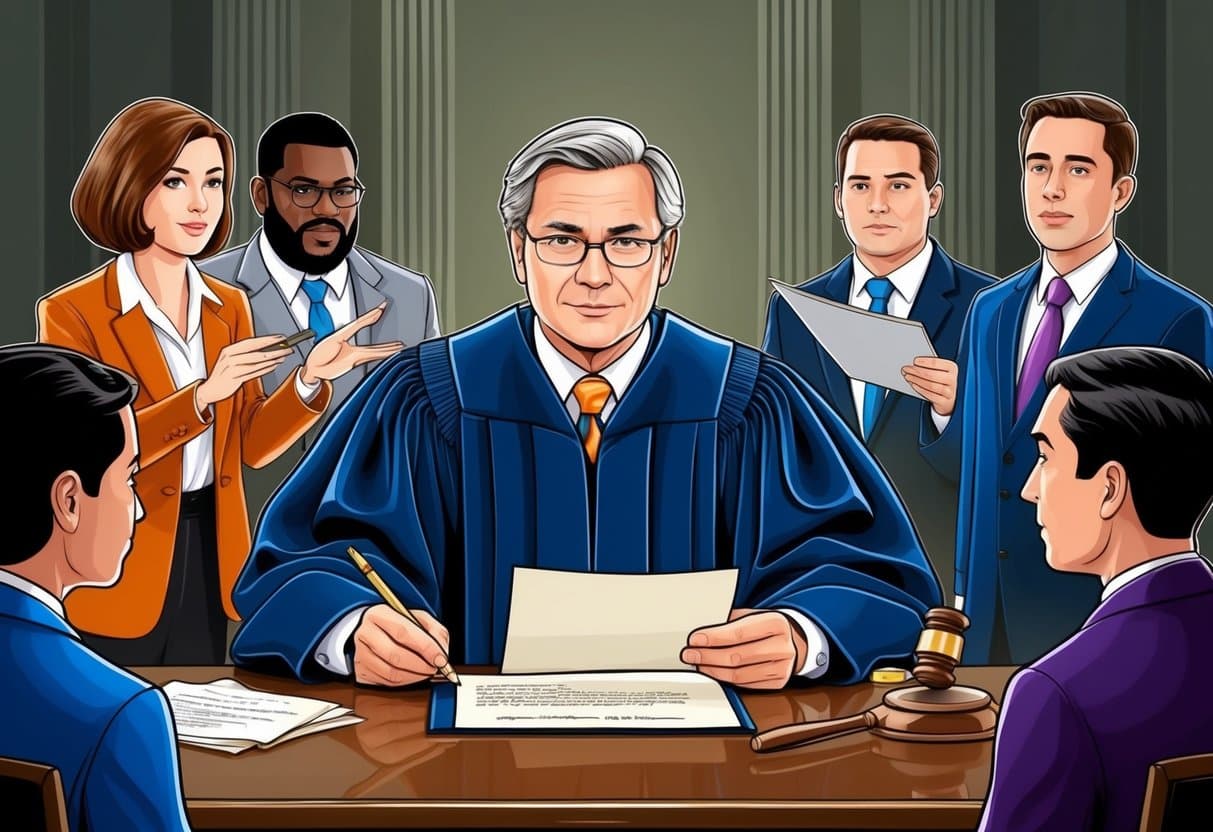
Probate can take different forms depending on the estate’s size and complexity. Two main types exist, along with a simplified process for smaller estates.
Informal vs. Formal Probate
Informal probate is a quicker process with less court involvement. It’s often used when there are no disputes among heirs. The executor files paperwork and handles the estate without close court supervision.
Formal probate, on the other hand, requires more court oversight. This type is necessary when there are disputes or complex issues. The court reviews documents, approves actions, and resolves conflicts.
In both types, the executor must inventory assets, pay debts, and distribute property. However, formal probate takes longer and costs more due to increased court involvement.
Small Estates Procedure
Many states offer a simplified process for small estates. This procedure is faster and cheaper than regular probate. It’s used for estates valued below a certain threshold, which varies by state.
To use this option, the executor files a simple form with the court. They may need to wait a short period before distributing assets. This process often doesn’t require a hearing or extensive paperwork.
Small estate procedures can save time and money for families. They’re especially helpful for estates with few assets or simple ownership structures.
Legal Instruments and Alternatives

People can use different legal tools to transfer assets without going through probate. These options can save time and money while keeping things private. They also give more control over how property is handled after death.
Understanding Trusts
Trusts are powerful tools for avoiding probate. A living trust allows someone to transfer assets while they’re alive. The trust owns the property, so it doesn’t go through probate when the person dies.
There are different types of trusts. Revocable trusts can be changed. Irrevocable trusts can’t be altered easily. Trusts can:
- Specify how assets are distributed
- Reduce estate taxes
- Protect assets from creditors
- Provide for minors or people with special needs
Setting up a trust requires careful planning. It’s best to work with a lawyer to make sure it’s done right.
Utilizing Affidavits
Affidavits can simplify the transfer of small estates. A self-proving affidavit attached to a will can speed up probate. It confirms the will’s authenticity without needing witnesses in court.
For small estates, many states allow a simple affidavit to transfer property. This process is much faster than probate. It usually requires:
- A sworn statement from the heir
- Proof of death
- A list of assets and their values
There are limits on estate size for using affidavits. These limits vary by state.
Establishing Joint Ownership
Joint ownership is a simple way to avoid probate for some assets. When one owner dies, the property automatically goes to the other owner. This is called “right of survivorship.”
Common forms of joint ownership include:
- Joint tenancy for real estate
- Joint bank accounts
- Payable-on-death accounts for investments
Joint ownership can be set up easily for many assets. But it’s important to consider the implications. Adding a joint owner gives them rights to the property. This can affect taxes and asset protection.
Deeds can also be used to transfer property outside of probate. Transfer-on-death deeds allow property to pass directly to a named beneficiary.
Professional Assistance

Getting expert help can make the probate process much easier. Professionals guide you through legal steps and manage financial matters.
Hiring a Probate Lawyer
A probate lawyer handles legal tasks during estate administration. They file court papers and deal with creditors. These attorneys also solve disputes between heirs.
Probate lawyers explain complex laws in simple terms. They make sure all deadlines are met. This keeps the process moving smoothly.
Many people find that hiring a lawyer saves time and stress. Attorneys can spot issues before they become big problems. They also know how to handle unusual situations that may come up.
Role of Financial Advisors
Financial advisors help manage the money side of probate. They look at the estate’s assets, including retirement accounts. Then, they make plans for taxes and distributions.
These experts can value complex assets like businesses. They also help executors make smart choices about investments. Financial advisors often work with probate lawyers to create a full picture of the estate.
They can suggest ways to reduce taxes and fees. This helps preserve more of the estate for heirs. Advisors also assist in creating reports required by the court.
Frequently Asked Questions
Probate can be complex, with many important steps and rules to follow. These common questions address key aspects of the probate process that people often wonder about.
What are the steps involved in the probate process?
The probate process has several main steps. First, someone files a petition with the court to open probate. Then, the court appoints an executor. Next, the executor takes inventory of the estate’s assets. After that, they pay any debts and taxes owed. Finally, the remaining assets get distributed to heirs.
The executor must also notify creditors and beneficiaries during this process. They handle paperwork and court appearances too. The specific steps can vary based on state laws and the estate’s complexity.
Under what circumstances is probate required?
Probate is usually required when someone dies owning property in their name alone. This includes real estate, bank accounts, and other assets. However, some assets can avoid probate.
For example, joint accounts and property with rights of survivorship often bypass probate. Additionally, assets with named beneficiaries, like life insurance policies, typically don’t need probate. Trusts are another way to avoid the probate process for certain assets.
What is the time frame for filing probate after a person’s death?
The time frame for filing probate varies by state. In many places, there’s no strict deadline. But it’s often best to file within a few months of death. Waiting too long can cause problems.
Some states do have time limits. For instance, they might require filing within 3-4 years of death. It’s important to check local laws. Executors should act promptly to avoid complications or legal issues.
How does one initiate probate if there is no will?
When there’s no will, the process is called intestate succession. Someone, usually a family member, must petition the court to open probate. The court then appoints an administrator to handle the estate.
This administrator has similar duties to an executor. They manage assets, pay debts, and distribute property. However, state laws determine how assets are divided among heirs when there’s no will.
In what situations is probate not necessary?
Probate isn’t always needed. Small estates often qualify for simplified procedures. Also, assets held in trusts usually avoid probate.
Property owned jointly with right of survivorship passes directly to the surviving owner. Accounts with designated beneficiaries, like retirement funds, typically bypass probate too. Life insurance payouts also generally don’t require probate.
What are the financial thresholds for estates to undergo probate?
Financial thresholds for probate vary widely by state. Some states set the limit as low as $10,000, while others go up to $200,000 or more. Estates below these values may qualify for simplified procedures.
These thresholds often apply to the total value of probate assets. Non-probate assets, like jointly owned property, usually don’t count toward this limit. You should check local laws, as rules can change and exceptions may apply.
Alabama probate runs on deadlines.
Where there is no will, § 43-2-43(b) treats the spouse and next of kin as having relinquished the right to administer if they do not apply within 40 days after the death is known. Where there is a will, § 43-2-27 lets letters pass to others if a named executor renounces or fails to apply within 30 days after probate. Claims are generally cut off six months from letters or five months from first publication, whichever is later, under § 43-2-350.
Questions about estate planning or probate? Email estateplanning@dsp.law or call 256-434-1678.
Daniel S. Pickens Law · 300 West Green Street, Athens, Alabama 35611