
Lawyers play a crucial role in our legal system, offering advice and representation in various legal matters. While most people know them as lawyers, these legal professionals go by several other names. Lawyers are also commonly called attorneys, counselors, or legal representatives. These terms are often used interchangeably, but they can have slightly different meanings depending on the context and location.

The legal profession has a rich history, and its terminology has evolved over time. In some countries, lawyers may be referred to as barristers or solicitors, reflecting different roles within the legal system. These titles can indicate specific areas of expertise or levels of qualification. Understanding these terms can help people navigate the legal world more effectively and find the right professional for their needs.
Key Takeaways
- Lawyers have multiple titles including attorney, counselor, and legal representative
- Different terms for lawyers may reflect varying roles or qualifications in the legal system
- Understanding legal terminology helps people find appropriate legal assistance
The Role of Lawyers in Society

Lawyers play a crucial part in upholding justice and the rule of law. They serve as advocates, advisors, and intermediaries, helping people navigate complex legal matters.
Legal Representation and Advocacy
Lawyers act as advocates for their clients in court proceedings and legal disputes. They present arguments, examine witnesses, and work to protect their clients’ rights. Lawyers also often negotiate settlements outside of court to resolve conflicts efficiently.
Attorneys also fight for access to justice, especially for those who can’t afford legal help. They may take on pro bono cases or work with legal aid organizations to ensure everyone has a chance at fair representation.
Furthermore, lawyers contribute to shaping laws and policies through their work in courtrooms and legislatures. They challenge existing laws and push for reforms that can improve the legal system for all.
Intermediaries in Legal Transactions
Lawyers serve as key intermediaries in many types of legal transactions. They draft and review contracts, ensuring all parties understand their rights and obligations. This role is crucial in business deals, real estate transactions, and personal agreements.
In addition, attorneys help clients navigate complex regulations and bureaucratic processes. They may assist with filing paperwork, obtaining licenses, or dealing with government agencies. This guidance can be invaluable for individuals and businesses alike.
Lawyers also act as neutral third parties in mediations and arbitrations. They help resolve disputes without going to court, saving time and money for all involved.
Lawyers as Advisors and Counselors
Lawyers provide valuable legal advice to clients on a wide range of issues. They help individuals and businesses understand their rights, obligations, and potential risks in various situations. This guidance can prevent legal problems before they arise.
As counselors, attorneys often help clients make important decisions. They explain complex legal concepts in simple terms and offer different options to consider. This role is especially important when clients face difficult legal or ethical dilemmas.
Moreover, lawyers often serve as trusted confidants for their clients. The attorney-client privilege allows for open and honest communication, enabling lawyers to provide the best possible advice and representation.
Types of Legal Professionals
Legal professionals come in various forms, each with unique roles and responsibilities within the justice system. These experts play crucial parts in upholding the law, representing clients, and advancing legal knowledge.
Barristers and Solicitors
Barristers and solicitors are two distinct types of lawyers found in many Commonwealth countries. Barristers specialize in courtroom advocacy and litigation. They argue cases in higher courts and provide expert legal opinions. Solicitors, on the other hand, handle most of the legal work outside the courtroom. They advise clients, prepare legal documents, and manage cases before they reach court.
In some jurisdictions, the roles of barristers and solicitors have merged. This change has led to lawyers who can perform both functions. Nonetheless, many legal systems still maintain this separation of duties. The distinction allows for specialized expertise in different aspects of legal practice.
Attorneys and Counselors at Law
Attorneys and counselors at law are terms commonly used in the United States. These legal professionals have completed law school and passed the bar exam. They can represent clients in court, provide legal advice, and draft legal documents. The term “Esq.” or “Esquire” often follows their names as a courtesy title.
Attorneys may specialize in various areas of law, such as criminal defense, corporate law, or intellectual property. Their work involves researching legal issues, negotiating settlements, and advocating for clients. Many attorneys work in law firms, while others practice independently or in corporate legal departments.
Judges and Magistrates
Judges and magistrates preside over court proceedings and make rulings on legal matters. They interpret the law, assess evidence, and ensure fair trials. Judges typically work in higher courts and handle more complex cases. Magistrates often serve in lower courts and deal with less serious offenses or preliminary hearings.
These legal professionals must have extensive legal knowledge and experience. They are responsible for maintaining order in the courtroom and making impartial decisions based on the law. In many systems, judges are appointed or elected to their positions. Their role is crucial in upholding justice and resolving legal disputes.
Legal Researchers and Academics
Legal researchers and academics contribute to the development and understanding of law. Law professors teach at universities, shaping future legal professionals. They often conduct research, publish scholarly articles, and participate in legal debates. Legal researchers work in various settings, including law firms, think tanks, and government agencies.
These professionals analyze complex legal issues, track legal trends, and propose reforms. Their work is essential for advancing legal knowledge and improving the justice system. Many also serve as expert witnesses or consultants in high-profile cases. Law clerks, who assist judges in research and drafting opinions, often come from this group of legal professionals.
Educational Path and Qualifications
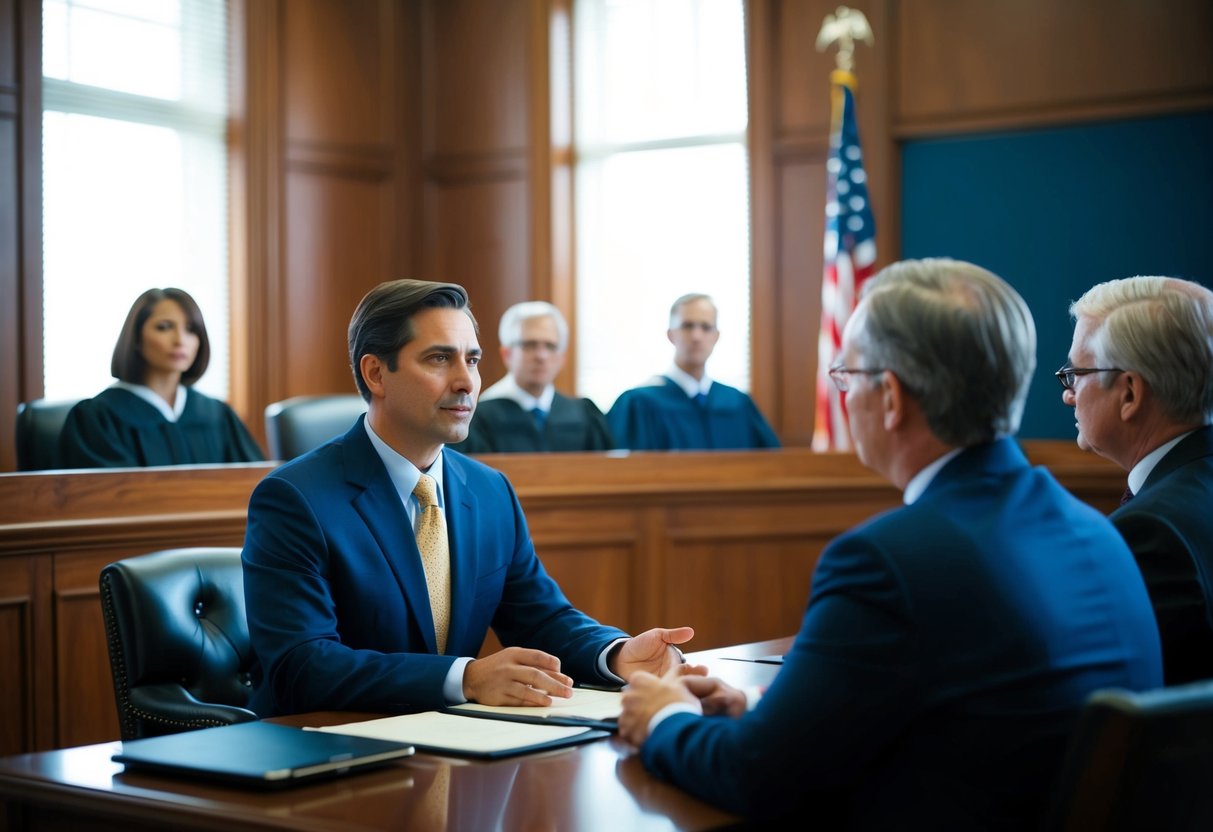
Becoming a lawyer requires extensive education and passing rigorous exams. The journey involves years of study and preparation to gain the necessary knowledge and skills for legal practice.
Law Degree and Higher Education
The path to becoming a lawyer starts with earning a bachelor’s degree. After that, aspiring lawyers must attend law school to obtain a Juris Doctor (J.D.) degree. This typically takes three years of full-time study. Law schools teach essential legal concepts, research methods, and critical thinking skills. Students learn about various areas of law, such as constitutional law, criminal law, and civil procedure. Furthermore, many law schools offer internships and clinics to provide hands-on experience. The American Bar Association (ABA) accredits law schools in the United States, ensuring they meet specific educational standards.
Bar Examination and Admissions
After completing law school, graduates must pass the bar examination to practice law. This challenging test evaluates a candidate’s knowledge of legal principles and ability to apply them. Each state administers its own bar exam, which usually takes place over two or three days. The exam typically includes multiple-choice questions and essay portions. Additionally, candidates must pass a character and fitness evaluation. Once they pass the bar exam and meet other requirements, they can be admitted to the state bar. Some states have reciprocity agreements, allowing lawyers to practice in multiple jurisdictions. Continuing legal education is often required to maintain their license.
Legal Ethics and Professional Standards

Lawyers must follow strict ethical guidelines and professional standards in their work. These rules shape how attorneys practice law and interact with clients, courts, and the public.
Code of Conduct and Ethical Obligations
The American Bar Association (ABA) sets model rules for legal ethics. These rules cover important topics like client confidentiality, conflicts of interest, and honest dealings. Many states use these as a basis for their own rules.
Lawyers have a duty to act in their clients’ best interests. At the same time, they must be truthful to the court. This can create challenging situations that require careful judgment.
As officers of the court, attorneys play a key role in the justice system. They must respect the law and help courts work fairly and efficiently.
Accountability within the Legal System
The legal profession has systems to hold lawyers accountable for misconduct. State bar associations investigate complaints against attorneys. They can discipline lawyers who break ethical rules.
Serious violations may lead to suspension or disbarment. This prevents unethical lawyers from continuing to practice law.
Courts also have power to sanction attorneys for improper behavior. Judges may issue fines or other penalties for things like filing frivolous lawsuits.
Legal malpractice lawsuits provide another way to hold lawyers accountable. Clients can sue if an attorney’s negligence causes them harm.
The Function of Courts in the Legal System
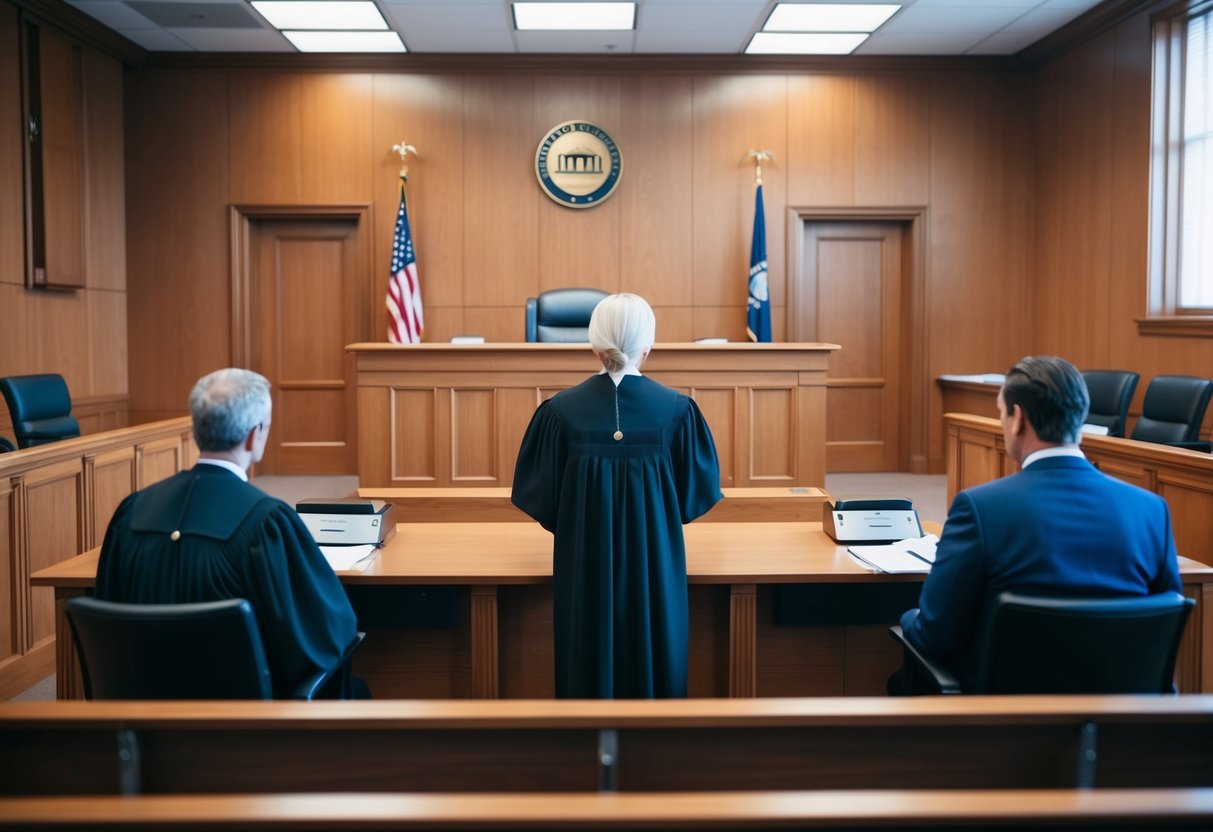
Courts play a vital role in upholding the rule of law and resolving disputes. They interpret laws, settle conflicts, and ensure justice is served in both civil and criminal matters.
Jurisdiction and Court Hierarchy
The court system is organized into different levels, each with its own jurisdiction. Lower courts handle most cases, while higher courts review decisions and tackle complex legal issues. State courts deal with state law matters, and federal courts address federal laws and constitutional questions.
At the bottom of the hierarchy are local courts. These handle minor offenses and small claims. Above them are state trial courts, which manage more serious cases. Next come state appellate courts, which review lower court decisions.
The federal system has a similar structure. District courts are the trial courts, where evidence is presented and witnesses testify. Circuit courts of appeals review district court decisions. At the top sits the Supreme Court, the final interpreter of the Constitution.
Civil and Criminal Court Proceedings
Courts handle two main types of cases: civil and criminal. Civil cases involve disputes between individuals or organizations. These might include contract disagreements, property issues, or personal injury claims.
Criminal cases, on the other hand, are brought by the government against individuals accused of breaking the law. In these cases, criminal defense lawyers represent the accused, while prosecutors argue for the state.
Both types of proceedings follow specific rules and procedures. Civil cases often aim to compensate the injured party, while criminal cases focus on determining guilt and imposing penalties. Judges oversee the process, ensuring fairness and interpreting the law.
Understanding Legal Documentation

Legal documents form the foundation of a lawyer’s work. They require precision, attention to detail, and specialized knowledge to draft and interpret correctly.
Drafting Contracts and Complaints
Lawyers play a crucial role in drafting contracts and complaints. Contracts are legally binding agreements between parties. They outline rights, responsibilities, and terms of an arrangement. Lawyers carefully craft contract language to protect their clients’ interests.
Complaints, on the other hand, initiate lawsuits. They state the plaintiff’s case against the defendant. A well-written complaint clearly sets out the facts, legal claims, and desired remedies. Lawyers must ensure all necessary elements are included.
Drafting these documents demands meticulous attention to detail. Even small errors can have big consequences. Therefore, lawyers often use standardized templates and review their work multiple times.
Legal Research and Writing Skills
Lawyers need strong legal research and writing skills. They must find relevant laws, cases, and regulations to support their arguments. This involves using various legal databases and resources.
Once research is complete, lawyers must present their findings clearly and persuasively. They write briefs, memos, and other legal documents. These writings often follow specific formats and use precise legal terminology.
Effective legal writing is concise, well-organized, and logical. It avoids unnecessary jargon and explains complex concepts in understandable terms. Lawyers must also tailor their writing style to their audience, whether it’s a judge, client, or opposing counsel.
Continuous practice and feedback help lawyers improve these crucial skills throughout their careers.
Legal Specializations and Practice Areas
Lawyers often focus on specific areas of law to develop expertise. These specializations allow attorneys to better serve clients with particular legal needs.
Corporate Law and Intellectual Property
Corporate lawyers handle legal matters for businesses. They work on contracts, mergers, and compliance issues. These attorneys help companies navigate complex regulations and avoid legal problems.
Intellectual property lawyers protect creative works and inventions. They deal with patents, trademarks, and copyrights. Additionally, these specialists assist with licensing agreements and infringement cases.
Corporate and IP attorneys often work together on business deals. For instance, they may collaborate during company acquisitions involving valuable patents or brand names.
Family Law and Criminal Defense
Family lawyers deal with personal legal issues. They handle divorces, child custody, and adoption cases. Furthermore, these attorneys often help with prenuptial agreements and domestic violence matters.
Criminal defense lawyers protect the rights of people accused of crimes. They represent clients in court and negotiate with prosecutors. These attorneys investigate cases, challenge evidence, and develop defense strategies.
Both family and criminal lawyers must have strong people skills. They often work with clients during stressful times. As a result, empathy and clear communication are crucial in these fields.
Public Interest Law and Government Practice
Public interest lawyers work for non-profit organizations and legal aid societies. They provide services to people who can’t afford private attorneys. These lawyers often focus on civil rights, environmental protection, and consumer advocacy.
Government lawyers serve in various roles. Some work as prosecutors, while others advise agencies on policy matters. Many government attorneys also draft and interpret laws and regulations.
Both public interest and government lawyers aim to serve the broader community. They frequently tackle complex social and political issues. Consequently, these roles can be challenging but rewarding for those passionate about public service.
The Courtroom Environment

A courtroom is a formal setting where legal proceedings take place. It has a specific layout and roles for different participants in the justice system.
The Adversarial System and Litigation Process
In the adversarial system, two opposing sides present their cases before a neutral judge or jury. Lawyers, also called attorneys or counsel, represent their clients in court. The prosecution and defense engage in litigation, presenting evidence and arguments to support their positions.
During a trial, both sides have the opportunity to question witnesses and challenge evidence. The judge oversees the proceedings, ensuring fairness and adherence to legal rules. Jurors, when present, listen to the case and make decisions based on the facts presented.
The courtroom environment promotes a structured process for resolving legal disputes. It allows for thorough examination of evidence and witness testimony, fostering a fair and impartial resolution of cases.
Roles of Different Court Officers
Various court officers play crucial roles in maintaining order and facilitating legal proceedings. The judge presides over the courtroom, making rulings on legal matters and ensuring proper conduct. They interpret the law and may decide the verdict in non-jury trials.
Prosecutors represent the government in criminal cases, while defense attorneys advocate for the accused. Both sides work to present their cases effectively. The bailiff maintains security and assists the judge, helping to keep order in the courtroom.
Court reporters create verbatim transcripts of the proceedings, providing an official record. These transcripts are essential for appeals and future reference. Together, these court officers ensure the smooth operation of the justice system and protect the rights of all parties involved.
Access to Legal Services

Access to legal services is crucial for ensuring justice for all. Various options exist to help people get legal help, even if they can’t afford traditional lawyer fees.
Public Legal Aid and Pro Bono Work
Legal aid offices provide free or low-cost legal services to people with limited incomes. These not-for-profit agencies help make the justice system more accessible. Additionally, many lawyers offer pro bono work, donating their time and skills to help those in need.
Public interest law firms focus on cases that benefit society as a whole. They often take on civil rights, environmental, or consumer protection cases. These firms may receive funding from grants or donations to support their work.
Some cities have implemented programs to expand access to legal help. For example, New York City provides free lawyers to tenants in housing cases through its Universal Access to Legal Services Law.
Contingency Fees and Legal Financing
Contingency fees allow people to hire lawyers without paying upfront. The lawyer only gets paid if they win the case, usually taking a percentage of the awarded amount. This arrangement is common in personal injury cases.
Legal financing companies offer another option. They provide funds to cover legal costs during a case. If the client wins, they repay the company with interest. If they lose, they often owe nothing.
Some law firms offer payment plans to make their services more affordable. This lets clients spread out the cost of legal representation over time. These options help more people access quality legal services when they need them most.
Advancement in the Legal Profession

The legal profession offers various paths for career growth and specialization. Lawyers can progress through different roles and enhance their expertise through ongoing education and training.
Career Progression for Lawyers
Lawyers often start as associates in law firms. They work on cases under senior attorneys’ supervision. As they gain experience, they may become senior associates. After several years, some lawyers advance to partner positions. Partners have ownership stakes in the firm and more decision-making power.
In-house counsel roles provide another career path. These lawyers work directly for companies. They handle legal matters for their employers. Some lawyers become legal executives, managing teams of attorneys.
Barristers and solicitors have different career tracks. Barristers can aim for Queen’s Counsel status, a prestigious recognition. Solicitors might progress to senior partner roles in their firms.
Continuing Education and Specialization
Ongoing learning is crucial for legal professionals. Many pursue advanced degrees like Master of Laws (LLM) or Doctor of Juridical Science (SJD). These programs help lawyers deepen their knowledge in specific areas.
Lawyers can also earn certifications in specialized fields. Examples include intellectual property, tax law, or environmental law. These certifications demonstrate expertise and can lead to new opportunities.
Professional development courses keep lawyers up-to-date with changing laws. They also help improve skills like negotiation or courtroom techniques. Some lawyers teach at law schools or write legal publications to further their careers.
Frequently Asked Questions

Lawyers go by various titles and terms depending on their role, specialization, and the context in which they are addressed. These names reflect the diverse nature of legal practice and the formalities of the profession.
What is the proper title used before a lawyer’s name?
The title “Esquire” or “Esq.” is often used after a lawyer’s name. This designation indicates that the person is a licensed attorney. For example, “Jane Smith, Esq.” Some lawyers also use “Attorney at Law” after their name.
Are there different terms used for male and female lawyers?
In the legal profession, gender-neutral terms are preferred. Both male and female lawyers are typically called “attorney” or “counsel.” The term “attorneyess” for female lawyers is outdated and no longer used.
What is the difference between an attorney and a lawyer?
In the United States, the terms “attorney” and “lawyer” are often used interchangeably. Both refer to individuals who have completed law school and passed the bar exam. However, “attorney” sometimes implies active practice, while “lawyer” may include those not currently practicing.
What are the various specializations within the legal profession?
Lawyers can specialize in many areas. Some common specializations include criminal law, family law, corporate law, and intellectual property law. Additionally, there are tax lawyers, environmental lawyers, and civil rights attorneys, among others.
How is a lawyer addressed formally in court?
In court, lawyers are typically addressed as “Counselor” or “Counsel.” Judges may say “Mr./Ms. [Last Name]” or “Attorney [Last Name].” The specific form of address can vary by jurisdiction and the preferences of individual judges.
What are some informal terms that refer to a lawyer?
Informal terms for lawyers include “legal eagle” and “mouthpiece.” These terms are often used colloquially or in casual conversation. Some informal terms may be considered disrespectful in professional settings.
Written for the country. You are in Alabama.
General legal articles cannot tell you how a rule actually works in Limestone, Madison, Morgan, Lauderdale, Colbert, Franklin or Lawrence County. We are in Athens at 300 West Green Street Tell us what happened and we will tell you whether it is something we handle.