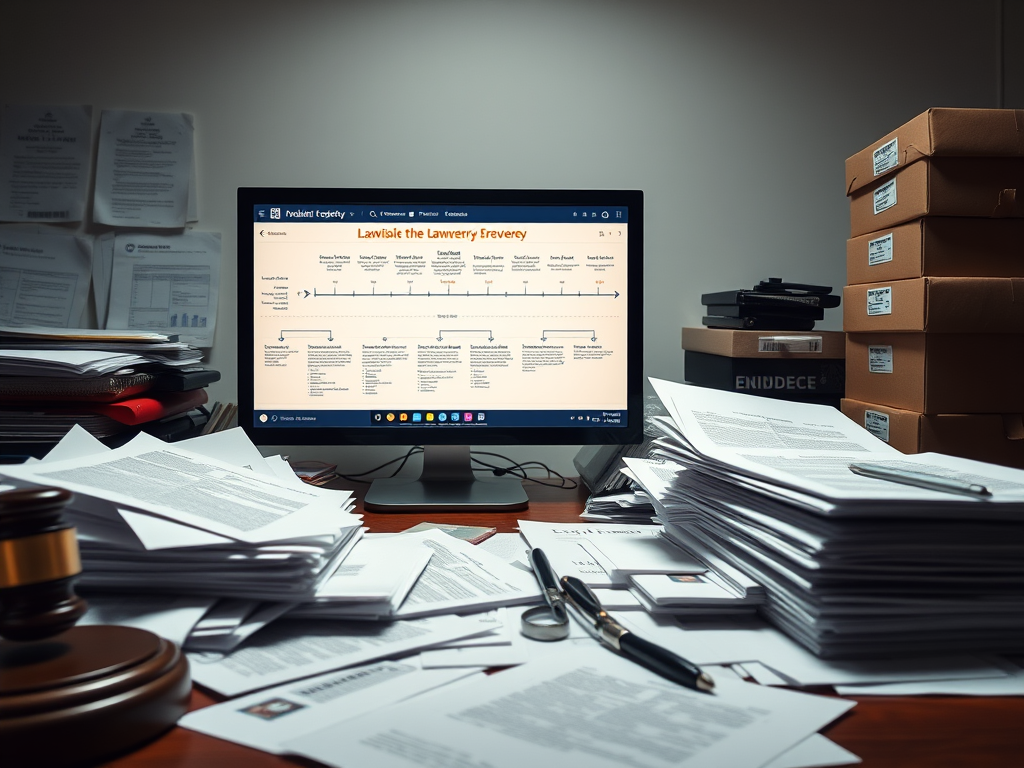
The lawsuit discovery timeline is a crucial part of the legal process. It begins after a lawsuit is filed and can last for months or even years. The discovery phase involves gathering evidence related to the case through tools like depositions, interrogatories, and requests for production. During this time, both sides exchange information to build their cases.
Most Alabama personal injury claims run on two years under § 6-2-38(l), which covers any injury to the person or rights of another not arising from contract and not otherwise listed. Wrongful death is also two years under § 6-2-38(a), measured from the death rather than from the injury.
Fraud is the notable exception. Under § 6-2-3, a fraud claim is not treated as having accrued until the aggrieved party discovers the fact constituting the fraud, and then two years run from that discovery. When a plaintiff should reasonably have discovered it is itself frequently litigated, so the discovery rule is a narrower shelter than it first appears.
If your situation is in Alabama and a deadline may be close, call 256-434-1678. Working out exactly which period applies to your facts is not something to settle from an article.

The length of discovery varies based on the complexity of the lawsuit. Simple cases may have a shorter timeline, while more complicated ones can take longer. Factors that affect the duration include the number of parties involved, the amount of evidence to collect, and any disputes that arise during the process.
It’s important to note that discovery is not a fixed process. As the case unfolds, new information may come to light, leading to additional rounds of discovery. This dynamic nature means that while there is a general timeline, it can shift as needed to ensure a fair and thorough examination of the facts.
Key Takeaways
- Discovery timelines vary greatly depending on case complexity and evidence volume
- The process involves multiple tools for gathering information from all parties
- Discovery can be extended if new evidence emerges or disputes arise
Commencing the Lawsuit

The initial steps of a lawsuit involve filing a complaint and serving it to the defendant. These actions set the legal process in motion and inform all parties of the impending litigation.
Filing a Complaint
The lawsuit begins when the plaintiff files a complaint with the court. This document outlines the plaintiff’s claims against the defendant and the legal basis for the suit. The complaint must include specific details about the dispute, such as dates, locations, and alleged actions. It also states the remedies the plaintiff seeks, which may include monetary damages or other forms of relief.
Courts have strict rules about the format and content of complaints. Consequently, many plaintiffs hire lawyers to ensure their complaints meet all requirements. After filing, the court assigns a case number and judge to the lawsuit. This step officially starts the legal proceedings and sets the stage for the next phase of the process.
Service of Summons and Complaint
Once the complaint is filed, the plaintiff must inform the defendant about the lawsuit. This process is called “service of process.” The plaintiff delivers a copy of the complaint along with a summons to the defendant. The summons is a court-issued document that orders the defendant to respond to the complaint.
Service must follow specific legal rules to be valid. Methods may include personal delivery, mail, or leaving documents with someone at the defendant’s home or business. Some jurisdictions allow service through email or social media in certain cases.
The defendant then has a set time period to respond, usually 20 to 30 days. This response typically involves filing an answer to the complaint or a motion to dismiss. Proper service is crucial because it ensures the defendant knows about the lawsuit and can prepare a defense.
Early Litigation Activities
The initial stages of a lawsuit involve crucial steps that shape the case’s direction. These activities set the foundation for the legal battle ahead and can significantly impact the outcome.
Pre-Trial Motions
Pre-trial motions are formal requests made to the court before the trial begins. They can address various issues, such as dismissing the case or limiting evidence. Attorneys often file motions to exclude certain testimony or evidence they believe is inadmissible. Additionally, they may submit motions for summary judgment, arguing that no factual disputes exist and the case should be decided in their favor without a trial. These motions can streamline the litigation process by resolving key issues early on.
Motion Practice
Motion practice is a critical part of the litigation process. It involves lawyers submitting written arguments to the court, seeking specific rulings or actions. Common motions include those to compel discovery, which ask the court to order the opposing party to provide requested information. Furthermore, attorneys may file motions to dismiss, arguing that the case lacks legal merit. Judges carefully consider these motions, often holding hearings to allow both sides to present their arguments orally. Consequently, successful motion practice can significantly influence the course of the lawsuit and sometimes lead to early resolution.
The Discovery Phase
The discovery phase is a crucial part of the lawsuit process. It involves gathering and sharing information between parties using specific tools and procedures.
Understanding Discovery Tools
Discovery tools help lawyers collect important details for their case. These tools include interrogatories, which are written questions that must be answered under oath. Depositions are another key tool, where lawyers ask witnesses questions in person. Additionally, requests for documents allow parties to obtain relevant records and files.
Lawyers also use requests for admissions to ask the other side to confirm or deny specific facts. Moreover, subpoenas can be issued to get information from people not directly involved in the lawsuit. These tools work together to build a strong foundation for each party’s arguments.
Exchange of Evidence
During the discovery phase, both sides share evidence they’ve gathered. This exchange helps prevent surprises at trial and promotes fair proceedings. Parties must provide all relevant information, even if it might hurt their case.
The exchange process can be complex and time-consuming. It often involves reviewing large amounts of documents, emails, and other records. Furthermore, lawyers may need to negotiate the scope of discovery if disagreements arise. In some cases, electronic discovery tools are used to handle large volumes of digital data efficiently.
Interrogatories and Requests for Documents
Interrogatories and requests for documents are key tools in lawsuit discovery. They help parties gather crucial information and evidence to build their cases.
Drafting Interrogatories
Interrogatories are written questions sent to the other party in a lawsuit. These questions must be clear and specific. Lawyers often craft them to uncover important facts about the case. The number of interrogatories allowed depends on the court rules and the complexity of the case.
When drafting interrogatories, attorneys focus on getting useful information. They might ask about witnesses, events, or key documents. It’s important to word questions carefully to get detailed answers. Some courts limit interrogatories to 25 or 30 questions. Because of this, lawyers must choose their questions wisely.
Responding to Requests
Responding to document requests requires careful organization. Parties must gather and review many files. This can be time-consuming, especially in complex cases.
When a party receives a request for production of documents, they have a set time to respond. This is usually 30 days. They must then search for and collect relevant documents. These might include emails, contracts, or financial records.
Parties must also object to any improper requests. They need to explain why they won’t provide certain documents. It’s crucial to be thorough but also protect privileged information. Lawyers often work closely with their clients to ensure complete responses.
Collecting Testimony

Gathering testimony is a key part of lawsuit discovery. It helps build a case by getting sworn statements from witnesses and other people involved. This process includes two main ways to get testimony.
Conducting Depositions
Depositions are a big part of collecting testimony. They involve asking questions to a witness under oath. A lawyer asks the witness questions while a court reporter writes down everything said.
Depositions often happen in a lawyer’s office. They can last hours or even days. The witness must answer truthfully. Their answers can be used in court later.
Lawyers use depositions to learn what a witness knows. They also use them to see how the witness might act in court. This helps them prepare their case better.
Sometimes, depositions lead to new facts or evidence. This can change how a case moves forward. Depositions are important for building a strong legal strategy.
Witness Statements
Witness statements are another way to get testimony. These are written accounts of what a person saw or knows about a case. They’re usually shorter than depositions.
People often give witness statements soon after an event happens. This helps capture details while they’re still fresh in mind. Lawyers may ask for these statements early in a case.
Witness statements can come from anyone with relevant info. This might include people who saw an accident or know about a business deal. The goal is to get a clear picture of what happened.
Lawyers look at how credible each witness is. They want to know if the person can be trusted. Good witness statements can make a case stronger. But weak ones might not help much.
Using Subpoenas
Subpoenas are powerful legal tools used to gather evidence and testimony during lawsuit discovery. They can compel individuals or organizations to provide documents or appear as witnesses.
Subpoena Duces Tecum
A subpoena duces tecum requires the production of specific documents, records, or tangible items. This type of subpoena is often used to obtain important evidence from non-parties to the lawsuit. For instance, a lawyer might issue a subpoena duces tecum to a bank to get financial records.
The subpoena must clearly describe the items requested. It should also give a reasonable time frame for compliance. Document review is a crucial step after receiving the materials. Lawyers carefully examine the documents for relevant information.
Sometimes, the recipient may object to the subpoena. They can file a motion to quash if they believe the request is too broad or burdensome. In such cases, the court decides whether to enforce the subpoena or modify its terms.
Witness Subpoenas
Witness subpoenas compel individuals to testify in court or at a deposition. They are essential for gathering sworn statements from people with relevant knowledge about the case. The subpoena specifies the date, time, and place where the witness must appear.
Lawyers often use witness subpoenas to question key figures in the dispute. This might include experts, eyewitnesses, or individuals with specialized knowledge. The testimony obtained can be crucial in building a strong case.
It’s important to note that witness subpoenas must be properly served. This usually involves personal delivery to the witness. Additionally, the subpoena should give reasonable notice, typically at least a few weeks before the required appearance.
Alternative Methods of Discovery
Alternative discovery methods can streamline the legal process and reveal crucial information. These approaches offer efficient ways to gather evidence and clarify facts without relying solely on traditional discovery tools. (Lawsuit Discovery Timeline)
Requests for Admissions
Requests for admissions are powerful tools in the discovery process. They ask parties to admit or deny specific facts related to the case. This method can narrow down disputed issues and save time during trial. Lawyers often use these requests to establish basic facts that aren’t in question.
The responding party must answer within a set timeframe, usually 30 days. If they fail to respond, the court may consider the facts admitted. This can significantly impact the case outcome. Attorneys must craft these requests carefully to maximize their effectiveness.
Requests for admissions can cover a wide range of topics. These may include the authenticity of documents, dates of events, or the existence of business relationships. They help focus the trial on truly contested matters. (Lawsuit Discovery Timeline)
Physical and Mental Examinations
Physical and mental examinations play a crucial role in certain legal cases. These exams can provide valuable evidence in personal injury, disability, or custody disputes. A qualified expert usually conducts these examinations.
Courts don’t grant these exams lightly. The requesting party must show good cause and prove that the examination is necessary and relevant to the case. Privacy concerns often arise with these exams.
The scope of the exam is usually limited to the issues in question. For instance, a back injury claim might lead to a spinal examination. Mental health evaluations can assess a person’s cognitive abilities or emotional state.
Results from these exams can greatly influence case outcomes. They provide objective medical evidence to support or challenge claims. Parties often use these findings in settlement negotiations or at trial. (Lawsuit Discovery Timeline)
Preparing for Trial
After discovery ends, lawyers focus on getting ready for the courtroom. This involves crafting legal strategies and exploring settlement options.
Legal Arguments and Case Strategy
Attorneys start by reviewing all evidence gathered during discovery. They identify key documents and witness statements to support their case. Next, lawyers develop their legal arguments and overall trial strategy. This includes deciding which evidence to present and how to frame it for the jury.
Lawyers also prepare exhibits, such as charts or diagrams, to help explain complex information. Additionally, they may conduct mock trials to practice their arguments and anticipate opposing counsel’s tactics. Furthermore, attorneys file pre-trial motions to resolve important legal issues before the trial begins.
Trial preparation involves organizing all case materials for easy access during court proceedings. Lawyers create detailed outlines of their opening and closing statements. They also prepare questions for witness examinations. (Lawsuit Discovery Timeline)
Settlement Negotiations
While preparing for trial, parties often engage in settlement talks. These discussions aim to resolve the dispute without going to court. Lawyers evaluate the strengths and weaknesses of their case to determine a fair settlement amount.
Negotiations may involve face-to-face meetings or written offers exchanged between attorneys. Mediation, where a neutral third party helps facilitate discussions, is another common approach. If successful, the parties draft a settlement agreement outlining the terms.
Settlement negotiations can continue up until the trial starts. Consequently, lawyers must balance trial preparation with ongoing settlement efforts. They keep clients informed of all offers and discuss the pros and cons of settling versus going to trial. (Lawsuit Discovery Timeline)
Post-Discovery Actions (Lawsuit Discovery Timeline)

After discovery ends, parties take important steps to move the case forward. These actions can shape the outcome of the lawsuit and set the stage for trial or settlement.
Summary Judgment Motions (Lawsuit Discovery Timeline)
Summary judgment motions are a key tool after discovery. Parties ask the judge to decide the case without a trial. They argue no real factual disputes exist and that the evidence shows they deserve to win.
Courts look at discovery materials to decide these motions. Affidavits, depositions, and documents all play a role. If the judge grants summary judgment, the case ends. This saves time and money compared to a full trial.
Sometimes, judges grant partial summary judgment on certain issues. This narrows what needs to be decided at trial. Consequently, summary judgment can significantly impact how a case proceeds.
Pre-Trial Conferences (Lawsuit Discovery Timeline)
Pre-trial conferences help prepare for trial. The judge meets with lawyers to plan next steps. They may discuss settlement options or narrow down the issues for trial.
During these meetings, lawyers often argue about what evidence to allow. The judge makes decisions on pre-trial motions. These rulings affect what the jury will see and hear.
Mediation sometimes happens at this stage. A neutral third party tries to help parties reach an agreement. If mediation fails, the case moves closer to trial.
Pre-trial conferences also set schedules. The judge and lawyers decide on trial dates and deadlines. As a result, everyone knows what to expect in the coming weeks or months. (Lawsuit Discovery Timeline)
Complications in Discovery
The discovery process in lawsuits can face several challenges. These issues may slow down the timeline and increase costs for all parties involved.
Discovery Disputes
Discovery disputes often arise when parties disagree about what information should be shared. Sometimes, one side may refuse to provide requested documents or answer questions. In other cases, they might claim the requests are too broad or burdensome. When this happens, lawyers may need to file a motion to compel with the court. This asks the judge to order the other party to comply with the discovery request.
The complexity of the case and the number of parties involved can also lead to disputes. More complex cases usually mean more documents and information to review. This can make it harder to agree on what’s relevant. Additionally, when there are many parties, coordinating discovery becomes trickier.
Protective Orders and Contempt
Protective orders are another complication in the discovery process. A party may seek a protective order to keep certain information private. This could be for trade secrets or sensitive personal data. If granted, the order limits how the information can be used or who can see it.
In some cases, a party might disobey a court order related to discovery. This can result in contempt of court charges. The consequences can be serious, including fines or even jail time in extreme cases. Contempt issues can significantly delay the discovery process and increase tensions between parties.
The Path to Appeal
After a trial concludes, the losing party may seek to challenge the outcome. This process involves filing post-trial motions and potentially pursuing an appeal to a higher court.
Post-Trial Motions
Post-trial motions are legal requests made to the trial court after a verdict. These motions can address various issues. For instance, a party might ask for a new trial or argue that the evidence doesn’t support the verdict.
The judge reviews these motions carefully. If granted, they can change the outcome without an appeal. Common post-trial motions include requests for judgment notwithstanding the verdict or a motion for a new trial.
Timing is crucial in this stage. Parties usually have a limited window to file these motions. The court’s decision on post-trial motions can affect the grounds for a potential appeal.
Appellate Process
If post-trial motions fail, the appeals process begins. The losing party files a notice of appeal with the trial court. This step starts the formal appeal.
Next, the appellant prepares a brief. This document outlines legal arguments for why the trial court’s decision should be overturned. The opposing party then files a response brief.
The appellate court reviews these documents. Sometimes, it hears oral arguments from both sides. Unlike trials, appeals focus on legal errors, not new evidence.
After considering the case, the appellate court makes a decision. It may affirm the lower court’s ruling, reverse it, or send the case back for further proceedings. This decision can have far-reaching impacts on the case’s outcome.
Frequently Asked Questions
The discovery process is a crucial part of civil lawsuits. It involves gathering evidence and information from both sides before trial. Here are some common questions about lawsuit discovery timelines.
What are the typical stages of a civil lawsuit from filing to trial?
A civil lawsuit starts when someone files a complaint. Then the defendant responds. Next comes discovery, where both sides gather evidence. After discovery, there may be settlement talks or motions. If the case doesn’t settle, it goes to trial.
How long does the discovery phase typically last in a civil lawsuit?
The discovery phase can last from a few months to over a year. Simple cases may finish discovery quickly. Complex cases with lots of evidence take longer. Courts often set deadlines to keep the process moving.
What factors influence the duration of the discovery process in legal proceedings?
Many things affect how long discovery takes. The number of people involved matters. So does how much evidence exists. If people cooperate, it goes faster. Court schedules and lawyer availability also impact the timeline.
What happens during the discovery stage of a civil lawsuit?
During discovery, lawyers ask for information from the other side. They may request documents or ask written questions. Sometimes they interview people under oath. The goal is to learn facts about the case before trial.
Can the timeline for discovery be extended, and under what circumstances?
Yes, discovery timelines can be extended. Lawyers may ask the court for more time if needed. Good reasons include finding new evidence or dealing with unexpected issues. The judge decides if an extension is fair.
What rights do parties have regarding the examination of evidence during the discovery?
Parties have the right to see relevant evidence from the other side. They can ask for documents and other information. If someone refuses to share, the court may step in. Rules also protect private information during this process.
Written for the country. You are in Alabama.
General legal articles cannot tell you how a rule actually works in Limestone, Madison, Morgan, Lauderdale, Colbert, Franklin or Lawrence County. We are in Athens at 300 West Green Street Tell us what happened and we will tell you whether it is something we handle.